

Pest Control in Mumbai
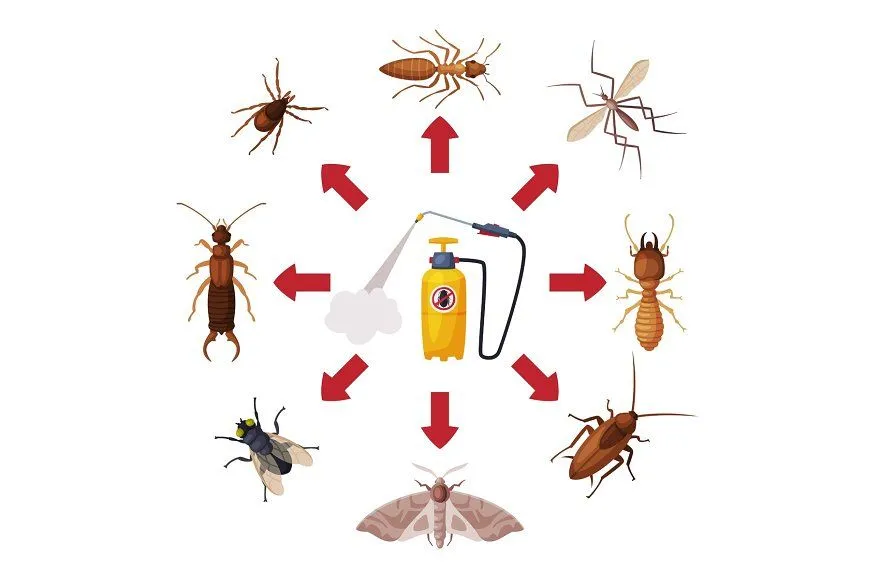
If you live in Mumbai, you already know pests are part of the package. The humidity, the monsoons, the heat, the old buildings, the crowded neighborhoods - it all creates the perfect breeding ground for cockroaches, termites, rodents, bed bugs, and pretty much every pest you can think of. And here's the thing: ignoring them doesn't make them go away. It makes things worse.
Let's talk about what actually works when it comes to pest control in Mumbai, why DIY methods usually fail, and how to choose a service that won't waste your time or money.
Why Mumbai Has a Serious Pest Problem
Mumbai isn't just any city. The weather here is practically designed to help pests thrive. High humidity year-round means moisture everywhere, which insects love. The monsoon season brings standing water, flooding in low-lying areas, and damp walls that termites can chew through like butter.
Add to that the age of many buildings in the city. Older structures have cracks, gaps, and hiding spots that pests use as highways. Even in newer buildings, construction quality can be hit or miss. Poor drainage, leaky pipes, improper waste disposal in housing societies - all of this creates an environment where pests don't just survive, they multiply.
The density of Mumbai also plays a role. When buildings are packed close together, pests can easily move from one home to another. Your neighbor's cockroach problem becomes your cockroach problem. That's just how it works here.
The Most Common Pests in Mumbai Homes
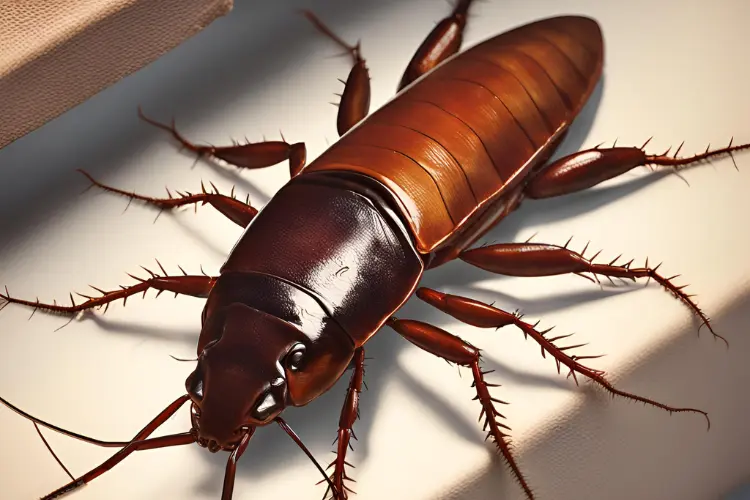
Cockroaches
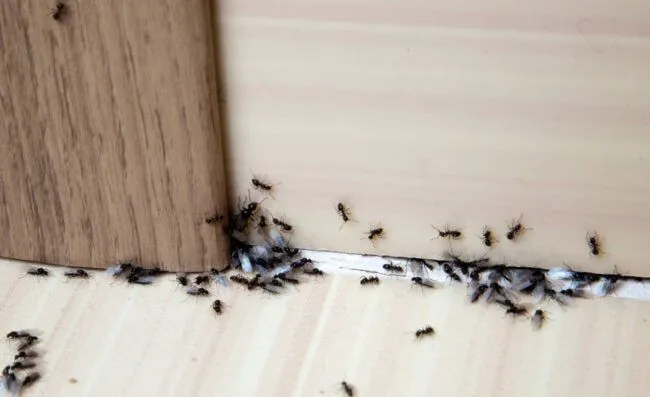
These are everywhere in Mumbai. Kitchen cabinets, bathrooms, drainage pipes, behind refrigerators, inside electrical switchboards. They come out at night and hide during the day, so by the time you see one, there are probably dozens more you haven't seen.
Cockroaches carry diseases. They walk through sewage and garbage, then walk across your kitchen counter. They contaminate food, trigger allergies, and can even cause asthma in children. The German cockroach is particularly bad because it breeds fast and develops resistance to common sprays.
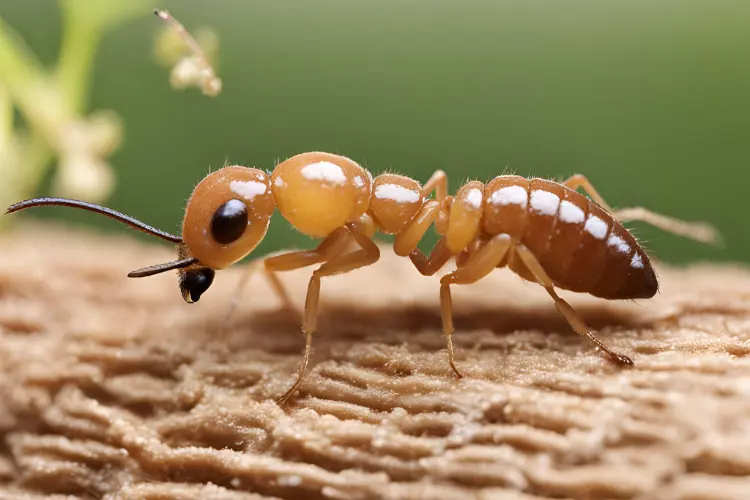
Termites
You won't see termites until the damage is already done. They eat wood from the inside out. Your wooden door looks fine on the outside, but tap it and it sounds hollow. That's termites.
In Mumbai, subterranean termites are the biggest problem. They live in the soil and build mud tubes up your walls to reach wood. They can destroy wooden furniture, door frames, window frames, false ceilings, and even structural beams. The repair costs can run into lakhs.
The monsoon season is when termite activity peaks. The moisture in the air and soil helps them thrive. If your home hasn't had anti-termite treatment in the last five years, you're at risk.
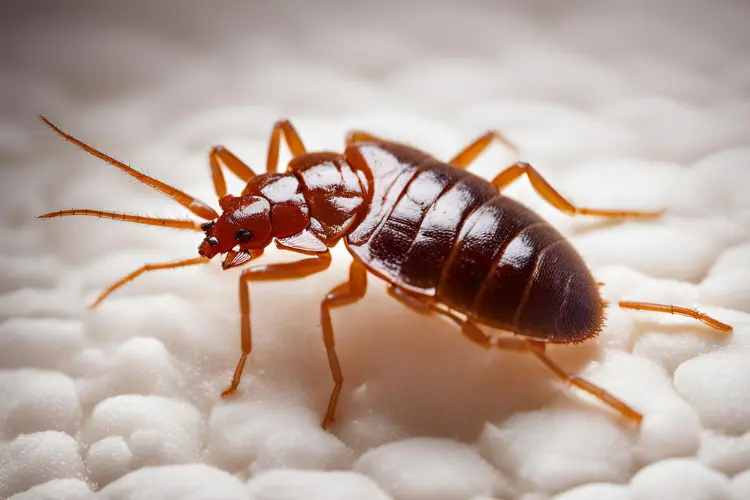
Bed Bugs
Bed bugs are making a comeback in Mumbai, and they're not just a problem in cheap hotels anymore. They spread through luggage, second-hand furniture, and laundry. Once they get into your mattress, they're incredibly hard to remove.
Bed bug bites are itchy and uncomfortable, but the bigger problem is the psychological stress. People lose sleep worrying about being bitten. They throw away perfectly good mattresses. They try multiple DIY treatments that don't work.
Rodents (Rats and Mice)
Rats in Mumbai are bold. They're not afraid of people. They chew through wires, causing short circuits and fire hazards. They contaminate food stores. They leave droppings everywhere. And they breed fast - one pair of rats can produce dozens of offspring in a year.
Rats also carry serious diseases like leptospirosis, which can be fatal. During the monsoon, when sewage overflows and water accumulates, rat populations explode. That's when most people notice them running around at night.
Mosquitoes
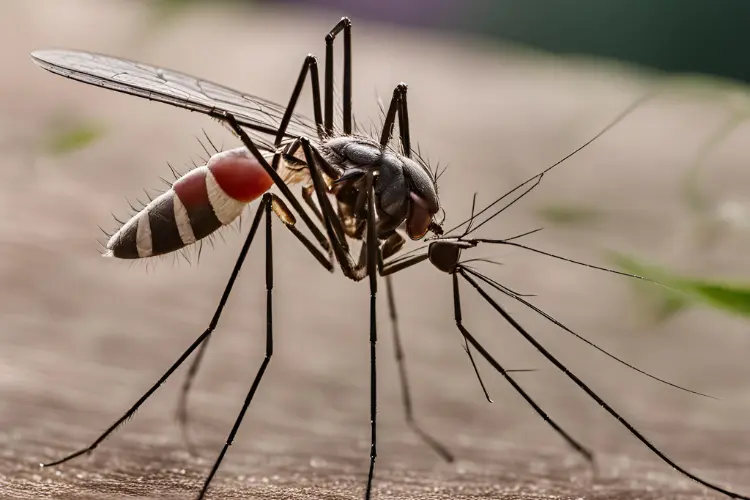
Dengue, malaria, chikungunya - all mosquito-borne diseases that spike during Mumbai's monsoon season. Mosquitoes breed in any standing water: flower pots, water tanks, blocked drains, discarded tires, even bottle caps.
Fogging by the BMC helps, but it's temporary. The mosquitoes come back. You need consistent prevention and treatment, especially in residential areas near construction sites or low-lying areas where water collects.
Why DIY Pest Control Usually Fails
Walk into any hardware store in Mumbai and you'll find shelves full of pest control products. Sprays, baits, powders, coils, electronic repellers. People buy them thinking they'll solve the problem. Most of the time, they don't.
Here's why. First, store-bought sprays only kill the pests you can see. They don't reach the nests, the breeding areas, or the pests hiding inside walls and cracks. You kill a few cockroaches today, but more come out tomorrow.
Second, pests develop resistance. Cockroaches in Mumbai have been exposed to the same chemicals for decades. They've adapted. The spray that worked for your grandmother doesn't work anymore.
Third, improper application makes things worse. People spray random areas without understanding pest behavior. They use too little chemical in some places and too much in others. They don't seal entry points or eliminate food sources. The result? The pests just move to another room.
And let's talk about those electronic ultrasonic repellers. Save your money. Multiple studies have shown they don't work. Pests don't care about ultrasonic sounds. It's marketing, not science.
What Professional Pest Control Actually Does
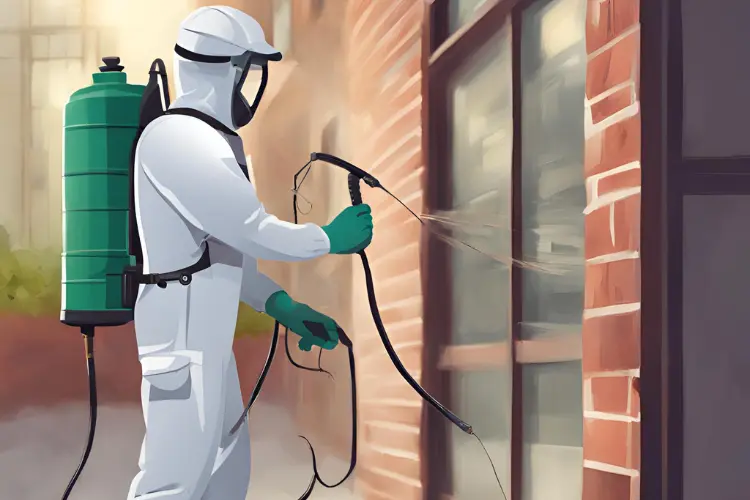
Professional pest control is not just about spraying chemicals. It's about understanding pest behavior, identifying the root cause of the infestation, and applying targeted treatment.
A good pest control service starts with inspection. They check all the vulnerable areas: kitchen cabinets, bathrooms, storage rooms, false ceilings, drainage areas, cracks in walls. They identify the type of pest, the extent of infestation, and the entry points.
Then comes the treatment plan. For cockroaches, they use gel baits that the cockroaches carry back to their nests, killing the entire colony. For termites, they create chemical barriers in the soil and treat wooden structures directly. For rodents, they use a combination of traps, baits, and entry point sealing.
Professional services also use better quality chemicals that are more effective and longer-lasting than store-bought products. And they know the correct dosage and application method for each pest and each situation.
Why Herbal Pest Control Makes Sense
Traditional pest control uses strong chemicals. They work, but they come with risks. Chemical residue on surfaces, fumes that linger for hours, potential health effects for children and pets, environmental concerns.
Herbal pest control uses natural plant-based ingredients that are effective against pests but safer for humans and pets. Neem oil, pyrethrin (from chrysanthemum flowers), citrus oils, diatomaceous earth - these ingredients have been used for centuries because they work.
The main advantage is safety. You don't need to evacuate your home during treatment. You don't need to worry about your kids or pets coming into contact with dangerous chemicals. You can use your kitchen immediately after treatment.
Herbal treatments are also better for the environment. They break down naturally and don't leave toxic residue. For a city like Mumbai with its high population density and limited ventilation in many homes, this matters.
Now, some people think herbal means less effective. That's not true if the treatment is done properly by professionals who understand which herbal formulations work for which pests. The effectiveness comes from the expertise, not just the chemicals.
How to Choose a Pest Control Service in Mumbai
There are hundreds of pest control companies in Mumbai. Some are good. Many are average. A few are terrible. Here's what to look for.
Experience matters. A company that's been operating in Mumbai for 5-10 years knows the local pest problems. They know which treatments work in Mumbai's climate and which don't. They've dealt with every type of building and every type of infestation.
Check their certification. Professional pest control technicians should be trained and certified. Ask if they're licensed by the relevant authorities. This ensures they know proper safety protocols and application methods.
Ask about the warranty. Reputable companies offer warranties on their work. For cockroach treatment, a 3-6 month warranty is standard. For termite treatment, you should get at least a 5-year warranty. If a company won't stand behind their work, that's a red flag.
Get a clear quote. The price should be transparent. Per square foot for termite treatment, per room for cockroach treatment, or a flat rate for the entire home. Watch out for hidden charges. Ask what's included in the price: inspection, treatment, follow-up visits.
Read reviews, but be smart about it. Google reviews, Justdial, Sulekha - read what actual customers say. Look for patterns. If multiple people mention the same problem, pay attention. One bad review means nothing. Ten bad reviews mean something.
What Pest Control Actually Costs in Mumbai
Prices vary widely depending on the type of treatment, size of property, and severity of infestation. But here are some general ranges to give you an idea.
For a standard 2BHK apartment in Mumbai, general pest control (cockroaches, ants, spiders) typically costs ₹1,500 to ₹3,000. This usually includes gel treatment for cockroaches and spray for other insects.
Termite treatment is more expensive because it's labor-intensive. Post-construction termite treatment for a 2BHK can cost ₹5,000 to ₹12,000 depending on the method used (drilling, chemical barriers). Pre-construction treatment is cheaper per square foot but covers the entire plot.
Bed bug treatment ranges from ₹3,000 to ₹8,000 for a 2BHK because it requires multiple visits and specialized equipment like steam treatment. One treatment rarely solves bed bugs completely.
Rodent control costs ₹2,000 to ₹5,000 depending on the severity. This includes trap placement, baiting, and entry point identification. Serious rodent problems may need multiple visits.
Annual maintenance contracts are more economical if you want regular pest control. Most companies offer quarterly services (four visits per year) at ₹4,000 to ₹8,000 for a 2BHK. This covers routine treatment for all common pests.
Don't go for the cheapest option automatically. Very low prices usually mean diluted chemicals, untrained technicians, or no warranty. You end up paying twice when you have to call someone else to fix the problem.
Prevention Tips That Actually Work
Professional pest control solves existing problems. Prevention stops them from coming back. Here's what actually makes a difference.
Fix water leaks immediately. That dripping tap under your kitchen sink? It's creating moisture that attracts cockroaches and helps termites thrive. Fix it.
Seal cracks and gaps. Use cement or sealant to close gaps in walls, around pipes, under doors, around windows. These are pest highways. Block them.
Keep the kitchen clean. Don't leave dirty dishes overnight. Wipe down counters. Store food in airtight containers. Take out the garbage daily. Pests come for food and water. Don't give them both.
Declutter storage areas. Old newspapers, cardboard boxes, unused furniture - these create hiding spots for pests. Clear them out. Store things in plastic bins, not cardboard.
Inspect second-hand furniture. Before bringing any used furniture into your home, inspect it carefully for bed bugs and termites. One infested item can cause months of problems.
Maintain your drainage. Clean drains regularly. Use drain covers. Make sure bathroom floors dry properly. Standing water anywhere is an invitation for mosquitoes.
Seasonal Pest Issues in Mumbai
Pest problems in Mumbai follow a seasonal pattern. Understanding this helps you prepare in advance.
Monsoon season (June to September) is when everything gets worse. Termites swarm, mosquitoes multiply, rodents come indoors escaping flooded sewers. This is when most people call for emergency pest control. Smart homeowners get treatment done before the monsoon hits.
Post-monsoon (October to November) sees cockroach populations explode because of the humidity and breeding that happened during the rains. This is a good time for preventive treatment.
Winter (December to February) is relatively better for pests, but cockroaches and rodents seek warm indoor spaces. They're less active but still present.
Summer (March to May) brings ants and flying insects. Heat and humidity create ideal breeding conditions. This is when you'll notice more ants in the kitchen and flies around garbage areas.
What You Should Expect from Your Pest Control Service
When you book a professional service, here's what should happen. First, they should arrive on time. Mumbai traffic is unpredictable, but they should inform you if they're running late.
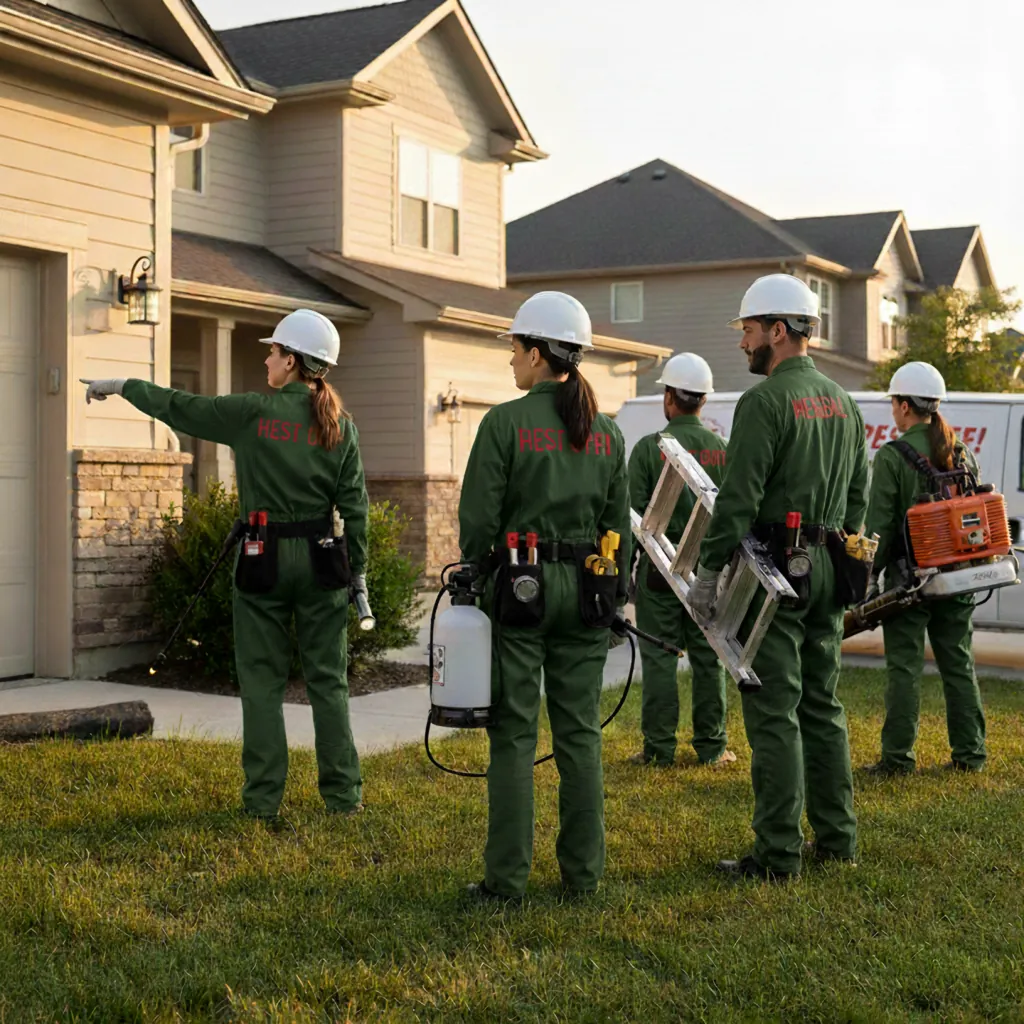
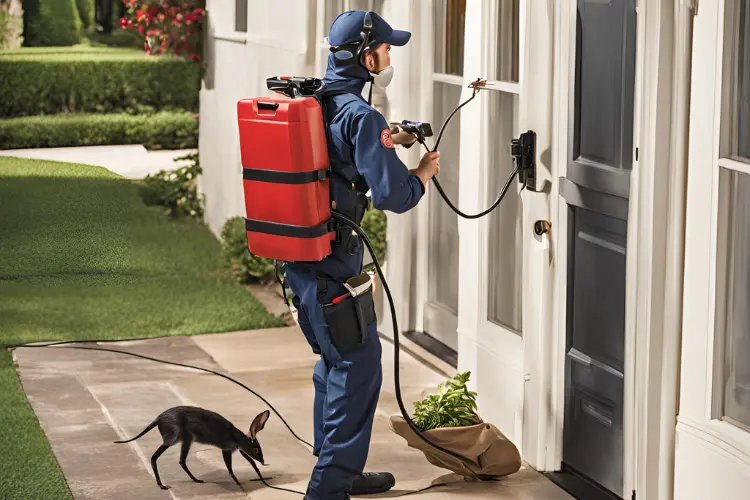
The technician should be in uniform with proper identification. They should do an inspection before starting treatment, not just spray randomly everywhere. They should explain what they're doing and why.
Good companies ask you to remove pets and cover food items before treatment. They inform you about any safety precautions. They don't rush through the job.
After treatment, they should give you clear instructions. How long to wait before cleaning the treated areas. What to do if you see more pests initially (which is normal as they come out of hiding). When to expect results.
They should also schedule a follow-up visit or at least check on you after a week to see if the treatment worked. If pests return within the warranty period, they should retreat at no additional cost.
The Bottom Line on Pest Control in Mumbai
Living in Mumbai means dealing with pests. It's part of urban life here. But you don't have to live with a serious infestation.
DIY methods work for minor problems. If you see one or two cockroaches, spray them and improve your sanitation. But if you're seeing pests regularly, if you've found termite damage, if bed bugs are biting you at night, or if rodents are making noise in your ceiling - call professionals.
Herbal pest control offers a safer alternative to traditional chemicals without sacrificing effectiveness. It's especially important in Mumbai's dense housing where everyone shares walls and common areas.
Choose a reputable company with experience, proper certification, and good reviews. Get a clear quote with warranty coverage. And once the treatment is done, follow prevention practices to keep pests from coming back.
Pest control is an investment in your family's health and your property's value. A termite-damaged home loses significant value. A bed bug infestation affects your quality of life. Disease-carrying pests put your children at risk.
Don't wait for a small problem to become a big one. Act early, choose the right service, and maintain a pest-free home. In a city like Mumbai, that's not just possible - it's necessary.
Need Professional Pest Control in Mumbai?
Get safe, effective, herbal pest control solutions for your home or business. Same-day service available across Mumbai.
Call +91 99200 59059 Book Online