


















Pest Control in Dadar: Complete Solutions for South Mumbai's Classic Neighborhoods
Dadar's Unique Pest Landscape and Why It Matters
Dadar is different from Mumbai's suburban belts. You're looking at old, well-established neighborhoods with a mix of historic buildings, apartment complexes from the 80s and 90s, and newer condos. There's commercial activity, residential density, and a certain charm that comes with central Mumbai. But here's the reality: Dadar's age, its high population density, proximity to old sewage systems, and the sheer volume of food-related businesses create a pest paradise. Cockroaches don't distinguish between old money and new money. They move through the shared buildings, the connected drainage systems, and the restaurants that feed thousands of people daily. This isn't a suburb where you can control all entry points. It's a dense urban area where pest management requires understanding both history and infrastructure.
Why Dadar Residents Face Persistent Pest Problems
Let's talk about why Dadar specifically attracts pests. The area is built on what used to be lower elevation land. Monsoon flooding and water seepage have always been issues here. This creates exactly the conditions pests love—moisture, dampness, and hidden cavities in aging structures. The old buildings with wooden beams and aged plumbing provide highways for termites and rodents. The newer apartments often share infrastructure with older neighboring buildings, which means your pest problem might actually originate next door.
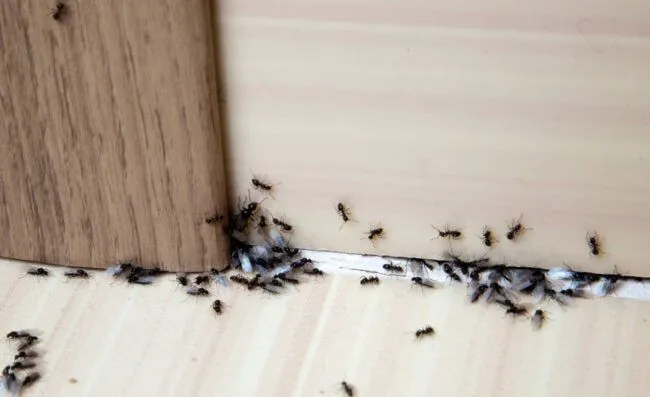
Cockroaches in Dadar are practically inevitable. They breed in restaurant grease traps, spread through shared building infrastructure, and survive in the cracks and crevices of 60-year-old buildings. The morning commute means people bring home food, which means consistent food sources. A single kitchen nearby becomes a breeding ground.
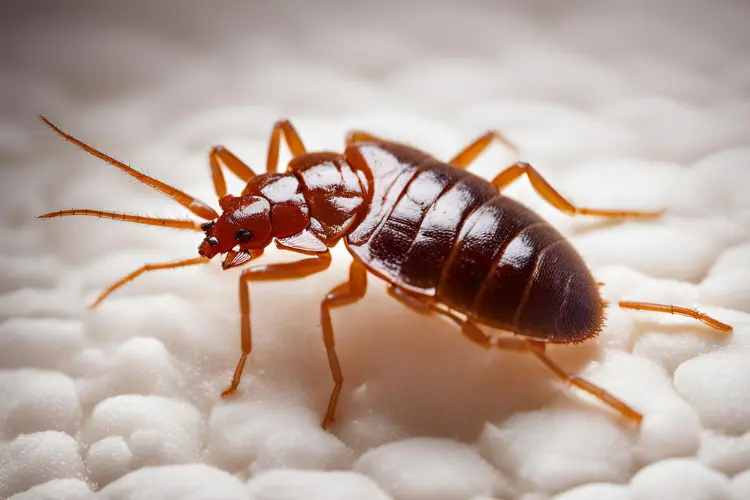
Bed bugs thrive in the high-turnover rental market and the visitor traffic that Dadar sees. Shared walls with neighboring buildings mean isolation is impossible. You're not just dealing with your infestation—you're managing a neighborhood-wide problem.
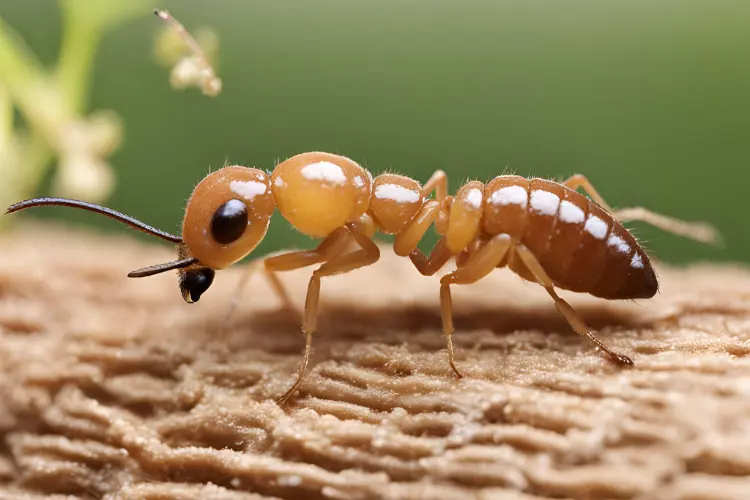
Termites are especially concerning in Dadar's older buildings. The combination of moisture penetration, wooden support structures, and the fact that colonies can spread between buildings makes early intervention critical. By the time you notice termites, they've often been eating your property for months.
Rodents navigate Dadar through the century-old drainage systems and the subway tunnels underground. They enter buildings through small gaps and multiply quickly. The rat population in Dadar's drains is significant and represents an ongoing pressure on every building.
The Reality of DIY Pest Control in Dense Dadar Neighborhoods
DIY approaches work when you're in control of all variables. In Dadar, you're not. You can spend your Saturday morning spraying your apartment. The cockroaches disappear. But they're not gone—they're in the walls, in the neighbor's flat, in the shared plumbing. By Monday, they're back. You've wasted time and money and spread chemical residue through your home without solving the actual problem.
Here's what actually happens: You buy a spray can from the medical shop. You spray your kitchen, your bathroom, maybe under the sink. The visible cockroaches scatter and hide. The ones deep in wall cavities aren't touched. A week passes. They return with hunger. You spray again. You're now spending money regularly without making progress. Meanwhile, if your neighbor is doing nothing, their cockroaches are flowing freely into your space through shared walls.
Bed bugs are worse. They hide inside mattresses, behind headboards, in the bed frame joints. A surface spray won't reach them. By the time you realize the spray didn't work, you've moved them around and made the infestation worse. Termites are invisible until they're irreversible. Rodents require trapping and sealing—not spraying. DIY simply can't address these issues at the scale and speed they're spreading in Dadar.
How Professional Herbal Pest Control Addresses Dadar's Specific Challenges
Professional pest control starts with inspection and assessment. We visit your property and identify the specific infrastructure you're dealing with. Are you in one of the old colonial-era buildings? In a 1960s apartment block? A newer high-rise? Each has different entry points, moisture patterns, and infestation routes. We check your walls, your plumbing, your building's drainage system. We look for signs of previous infestations. We determine what species are present—because strategy changes completely between cockroaches and termites.
Herbal solutions work because they're potent plant-based compounds. Neem oil disrupts the insect's nervous system. Pyrethrum works on contact and through ingestion. Essential oils create hostile environments for breeding. Unlike chemical residues that lose efficacy quickly, these natural compounds work through multiple mechanisms simultaneously. For Dadar's apartments, the safety advantage matters. You're not worried about chemical residue on your children's toys or your kitchen surfaces. The treatment is effective without the toxicity risk.
We treat not just visible areas but the hidden pathways where pests live. Wall voids get treated. Plumbing cavities get sealed or treated. For bed bugs, we treat the entire bedroom structure—mattress, bed frame, walls, baseboards. For termites, we implement barrier treatments that protect wooden structures. For rodents, we combine baiting with systematic sealing of entry points. This comprehensive approach addresses the root cause, not just the symptom.
Follow-up visits are crucial in Dadar because of building-wide infestation patterns. We typically recommend treatments 7-14 days apart to catch newly hatched pests before they establish populations. We monitor your progress and adjust our approach based on what we observe. The goal is complete elimination, not temporary relief.
Pest Control Pricing in Dadar and What You're Actually Paying For
In Dadar specifically, pricing depends on your building type and infestation extent. A standard cockroach treatment for a 2-bedroom flat typically runs ₹2,500 to ₹4,500. If you have moderate to heavy infestation, you're looking at ₹5,500 to ₹9,000 because treatment requires more intensity and follow-ups. Bed bug treatments are higher—₹7,000 to ₹13,000—because they require treating fabric items and comprehensive coverage. Termite control in Dadar's older buildings can range from ₹10,000 to ₹25,000 depending on whether you have wooden structural elements and how extensive the treatment needs to be.
Rodent control packages are ₹6,000 to ₹16,000 because they require trapping service plus entry point sealing. You're paying not just for the initial treatment but for the knowledge of where entry points are and how to seal them effectively. Monthly preventative service in Dadar costs ₹1,000 to ₹2,500 per visit depending on apartment size and whether it's a comprehensive building contract.
What you're actually paying for is expertise. A professional knows that Dadar's infrastructure requires different tactics than suburban areas. They understand shared building systems. They know what previous treatments failed and why. They can recommend preventative measures specific to your building's age and condition. A cheap service that doesn't work costs more than a quality service that solves the problem.
Selecting a Pest Control Partner in Central Mumbai
Find a provider with direct experience in Dadar's older buildings and dense neighborhoods. Ask how long they've been operating and whether they have references from Dadar properties. They should understand the specific infrastructure challenges of the area—the shared plumbing, the drainage patterns, the historical building codes. Generic suburban pest control won't work here.
Check their methodology. Do they inspect your space thoroughly before proposing treatment? A professional should spend 20-30 minutes inspecting, asking questions about your building's history, and explaining what they found. If they quote a price over the phone without visiting, that's a red flag. They don't understand your specific situation.
Verify their herbal product safety and certifications. Ask about the specific ingredients in their solutions. Get a detailed estimate that breaks down what they'll do, how many visits they recommend, and what they guarantee. Ask about warranty—most professionals offer 30-day guarantees. Ask whether they seal entry points or just spray. Ask about their availability for follow-up visits. In Dadar, where buildings are old and pest pressure is constant, accessibility matters.
Monsoon Management for Dadar Properties
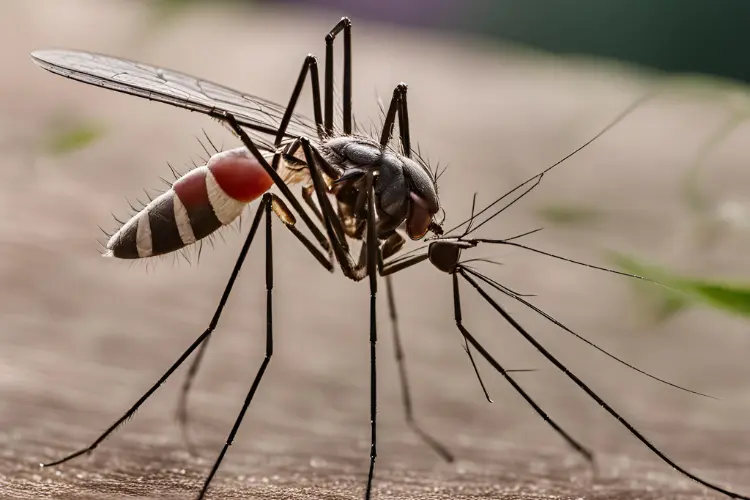
Dadar's monsoon (June to September) brings intensified pest pressure. The older drainage systems overflow. Water seeps into basements and ground floors. This creates mosquito breeding grounds and makes rodent entry easier. Here's what works: Start pre-monsoon treatment in May. Eliminate existing pests before breeding season intensifies. Have your building's drains professionally cleaned and treated to prevent mosquito breeding. Check your property for water seepage and fix it before the rains start. During monsoon, increase treatment frequency to monthly to manage the seasonal pressure. After monsoon, inspect wooden structures carefully for termite activity—moisture-weakened wood makes termites more active. Many Dadar residents wait until they have a crisis. Prevention in May saves problems in August.
Building-Wide Coordination in Dadar's Apartment Complexes
If you live in an apartment building in Dadar, understand this: Your individual treatment without building-wide coordination is almost useless. Pests move through shared walls, common plumbing, and central drainage systems. Treating your flat while your neighbor does nothing means re-infestation within weeks. The ideal scenario is a building contract where all units are treated simultaneously. This prevents pests from escaping treated flats to untreated ones. Common areas—basement, water tank, drainage, garbage room—must be included in any building contract. Many Dadar apartment societies resist coordination because they see it as an expense. They don't realize that individual treatments are the real waste of money. If your building lacks centralized pest control, consider advocating for it. A single complaint about cockroaches in a 50-unit building usually indicates a building-wide problem requiring a building-wide solution.
Long-Term Prevention Strategies for Dadar Homes
Once you've eliminated an infestation, prevention is critical. In Dadar's dense environment, pests are never far away—they're in neighboring buildings, in the drains below, waiting for an opportunity. Seal all gaps and cracks in your walls and plumbing. Have foundation cracks repaired professionally. Install drain strainers and keep drains clean. Fix all water leaks immediately—moisture is an open invitation. Don't leave food out overnight. Store dry goods in airtight containers. Manage garbage in sealed containers. Keep your apartment decluttered so pests have nowhere to hide. These steps won't prevent pests from trying to enter, but they eliminate the conditions that let them establish themselves. Quarterly professional inspections catch early signs before infestations develop. This approach costs less and causes less stress than dealing with full infestations.
Timeline Expectations for Pest Elimination
Cockroach infestations show significant improvement within 48 hours of professional treatment. You'll notice far fewer cockroaches within a week. Complete elimination typically takes 2-3 weeks with proper follow-up treatments. Bed bugs take longer—usually 3-4 weeks with multiple treatments—because eggs hatch after the adults die. Termites require several weeks of treatment because the goal is reaching the entire colony. Rodent control shows results as trapped rats are removed, usually within days. Mosquitoes decrease noticeably within 5-7 days of drain treatment. The key is understanding that professional treatment is working even when visible results come slowly. Trust the process and stick to the recommended treatment schedule.
When Professional Help Becomes Non-Negotiable
Some situations demand professional intervention immediately. If you see termite wings dropping from wooden structures, that's an established infestation—DIY is hopeless. If you find bed bugs covering multiple rooms or you're finding fresh bite marks regularly, professional treatment is necessary. If you're finding multiple dead rodents or fresh droppings daily, rodent infestation requires systematic trapping and sealing. If you're dealing with a mosquito problem severe enough to affect your family's health, professional source elimination is the answer. In Dadar's dense environment where pest pressure is constant, trying to manage serious infestations yourself is just delaying professional treatment that you'll eventually need anyway.
Starting Your Pest Control Journey in Dadar
Ready to address your Dadar pest problem? Contact a local professional and describe your situation. They'll schedule an inspection, assess your property, and provide a detailed treatment plan. During the inspection, ask about your building's history, what they find, and why they're recommending the approach they are. Make sure you understand what you're getting. Once you've found a provider you trust, schedule the first treatment. Most people see meaningful improvement within the first week and complete elimination within 3-4 weeks with proper follow-ups. After that, move to preventative maintenance—quarterly or annual inspections that catch problems before they become infestations. Your investment in professional pest control in Dadar is truly an investment in your family's health, your property's longevity, and your peace of mind in a city that never stops trying to send pests your way.