











Pest Control in Ambernath: What Actually Works
Ambernath sits at the edge of Mumbai and Thane, close enough to feel the city's pace and humid weather, and busy enough that pests thrive all year. If you live or run a business here, you've likely seen the telltale signs: cockroaches in the kitchen, termites near wooden frames, or rodents sneaking through utility shafts. This article walks you through what really works for Pest Control in Ambernath�practical, safe, and proven steps you can take right now.
Why Ambernath Gets So Many Pest Problems
Here's the thing: Ambernath has a mix of older housing societies, new apartment towers, industrial pockets, and bustling markets. Warm, humid air flows in from the Mumbai belt, and monsoon seasons hit hard. That combination creates ideal breeding conditions for insects and rodents. Cracks in older buildings, open drains, food waste near markets, and waterlogging during rains all become highways for pests. Even well-maintained homes get hit because pests travel through shared walls, ducts, and utility shafts.
Another factor is proximity to industrial and warehouse zones around Ambernath and Badlapur. Rodents and cockroaches thrive near storage areas, then move toward residential blocks for food and shelter. Frequent construction and renovation also disturb soil, which drives termites and ants to seek new nesting spots. When the weather turns hot or wet, infestations spread faster.
Common Pests You Will Actually See in Ambernath
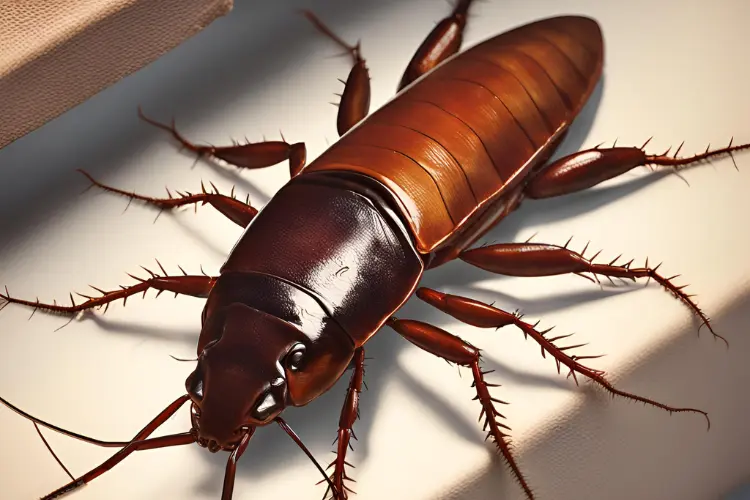
Cockroaches: The most common culprit. They hide under sinks, inside cabinets, behind refrigerators, and in drain pipes. At night they search for food scraps and moisture. They carry bacteria that can trigger stomach issues and allergies.
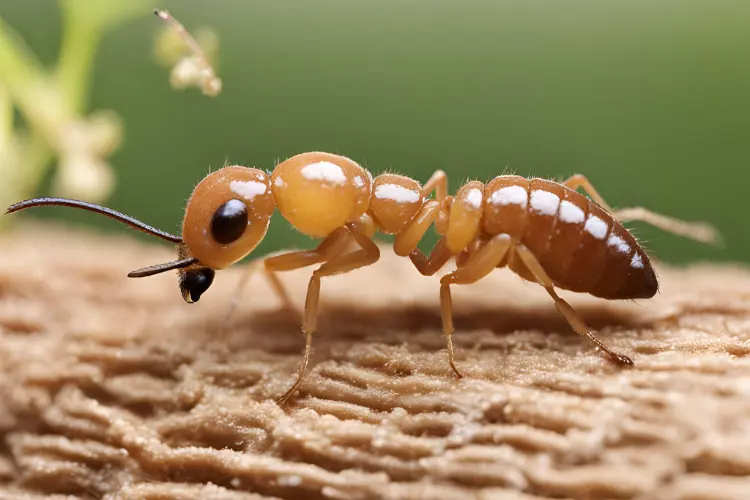
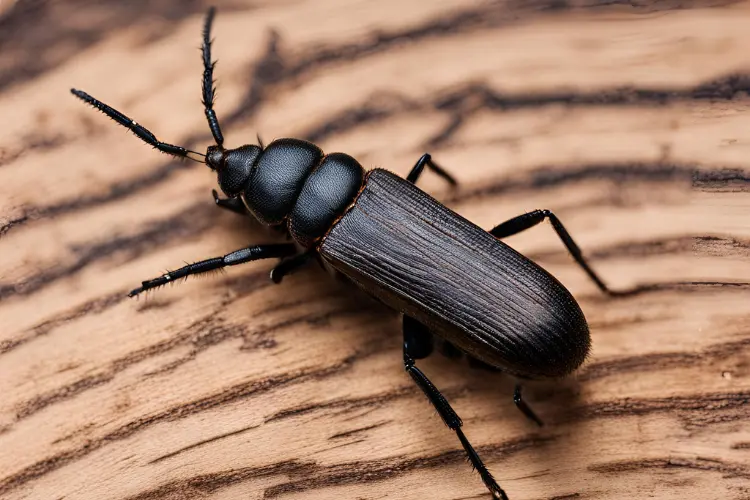
Termites: Silent but expensive. They chew wood from the inside, damaging furniture, door frames, and sometimes structural elements. By the time you see frass (wood dust) or hollow sounds, the colony is already mature.
Rodents: Rats and mice move through pipes, false ceilings, and gaps in utility shafts. They chew wires (fire risk), contaminate food, and spread diseases. Monsoon pushes them indoors as they look for dry shelter.
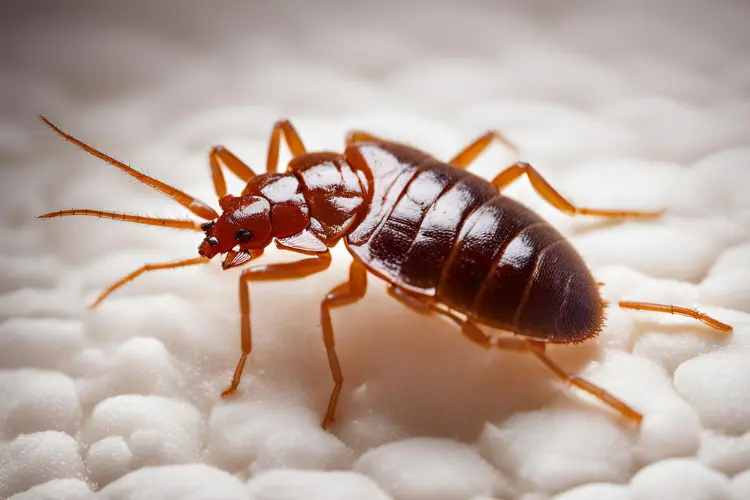
Bed Bugs: They hitchhike on luggage, clothing, and furniture. They hide in mattresses, bed frames, sofas, and wall cracks. Bites cause itching and sleepless nights, and DIY sprays rarely reach their hiding spots.
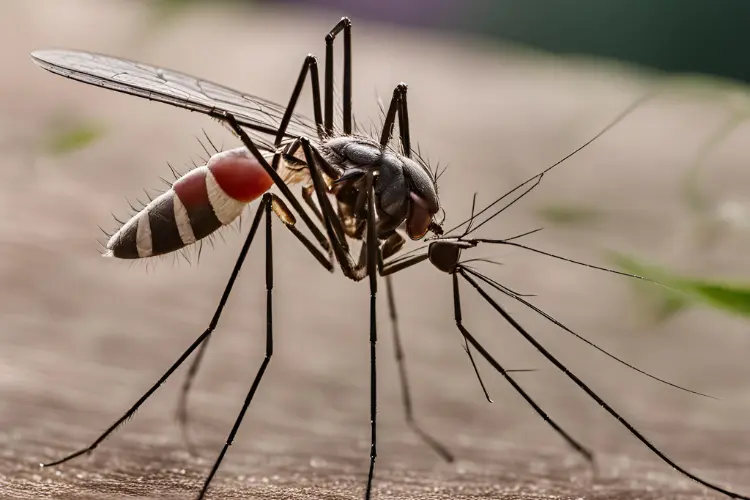
Mosquitoes: Stagnant water in pots, terrace corners, clogged drains, and construction sites lets them breed fast. They are more than a nuisance�they transmit dengue and malaria.
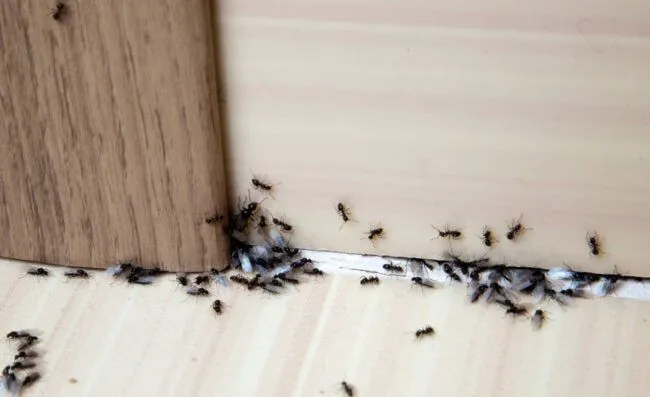
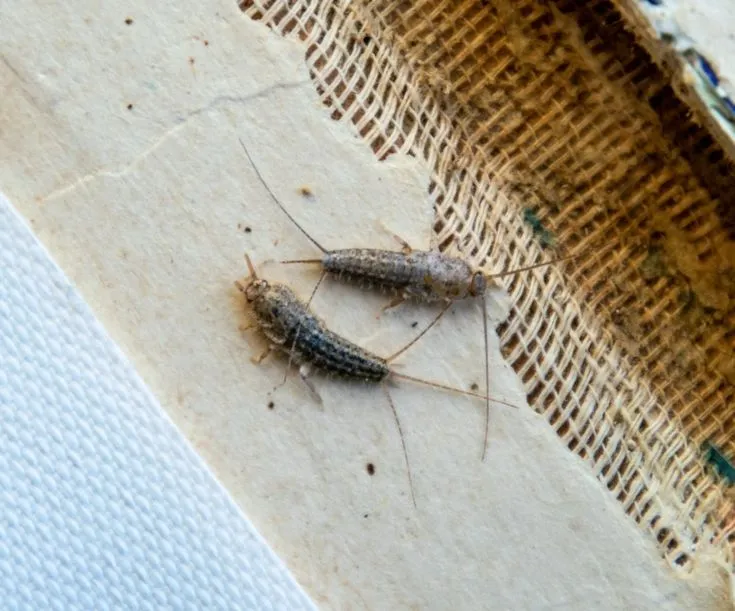
Ants and Silverfish: Ants trail toward sugary foods and kitchen spills. Silverfish thrive in damp storage areas, damaging paper, fabrics, and books.
Why DIY Sprays Fail in Ambernath Apartments
Most DIY attempts focus on the pests you can see. The nest, eggs, and hidden colonies remain untouched. Over-the-counter aerosols kill a few roaches but leave eggs intact. Rodent glue traps catch one or two, while the family keeps breeding behind walls. Bed bug sprays rarely penetrate seams and cracks where they actually live.
In shared buildings, DIY often backfires. You spray your kitchen, the roaches move next door, and then return through the drains. Without sealing entry points and treating the building holistically, you're just pushing the problem around. Repeated chemical misuse also creates resistance, making pests harder to control over time.
There's also a safety angle. Harsh chemicals linger on floors and counters where kids play and pets roam. Herbal, targeted treatments with professional application avoid those risks while actually addressing the source.
What Professional Herbal Pest Control Looks Like Here
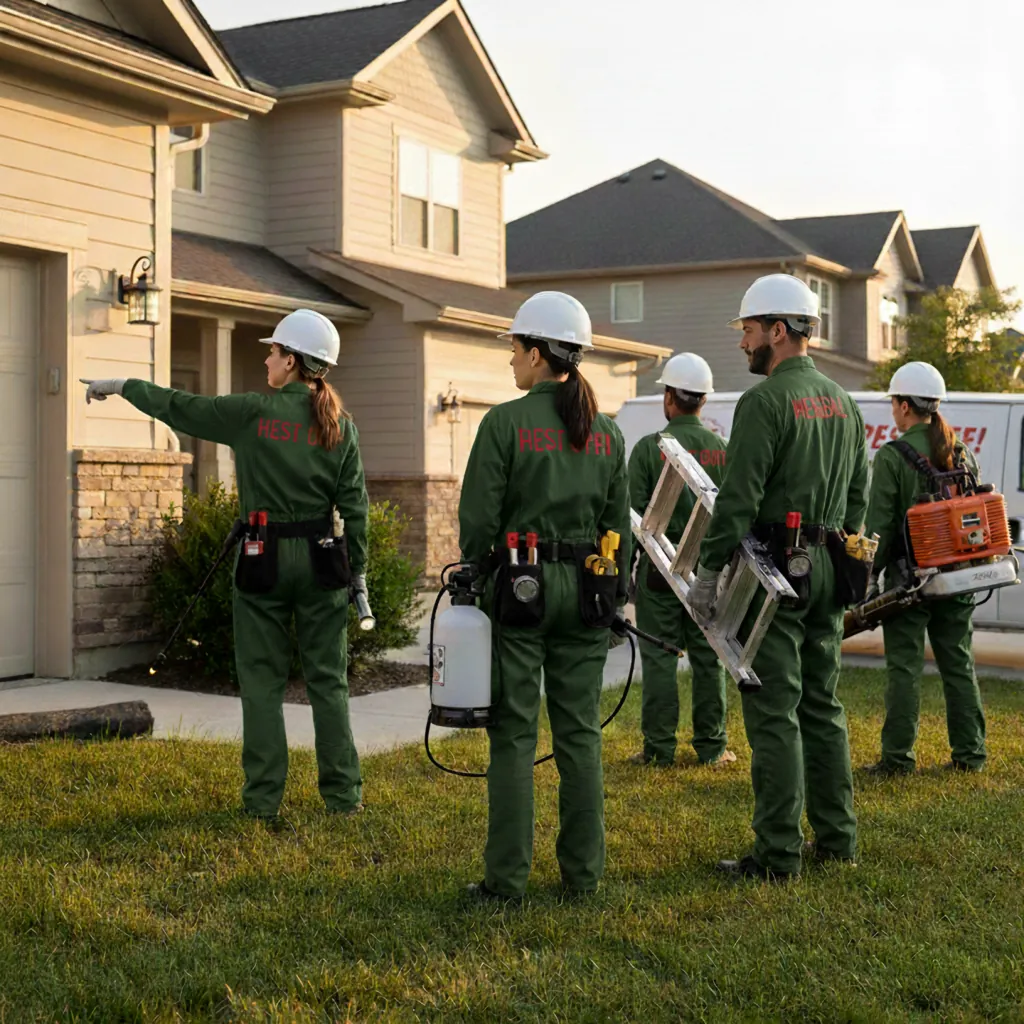
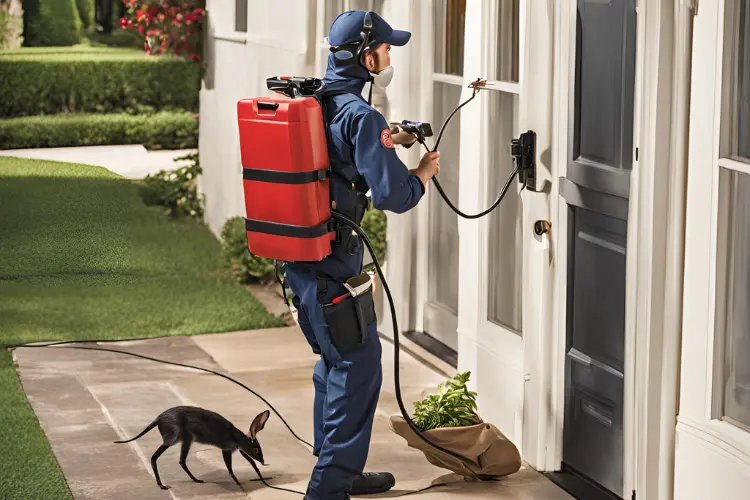
A solid service in Ambernath starts with inspection. A technician checks kitchens, bathrooms, utility ducts, shafts, lofts, and external drainage. They map entry points, nesting areas, and moisture sources. That assessment decides the treatment plan.
Herbal formulations�neem derivatives, plant-based pyrethrins, essential oils�are applied where pests travel and nest. These break the insect nervous system and reproductive cycle but are safe for humans and pets. For rodents, baiting and proofing go together: sealing gaps around pipes, installing door sweeps, and using tamper-proof bait stations.
Follow-up is critical. First visit knocks down the active population. Second visit (7�10 days later) targets newly hatched pests. Sometimes a third round is scheduled for stubborn infestations like bed bugs or heavy termite activity. This cadence breaks the life cycle instead of providing a temporary fix.
What to Expect When You Book a Service
Conversation first: You share what you've seen, where, and for how long. Mention kids, pets, elderly family members, or sensitivities. The plan adapts to your home.
Inspection: A thorough walkthrough of wet areas, kitchen cabinets, lofts, store rooms, and external drainage. This takes 30�45 minutes for a typical 2BHK.
Prep guidance: Simple steps like clearing under-sink areas, moving appliances a few inches from walls, and covering open food. For bed bugs, washing linens on hot and bagging items may be advised.
Targeted treatment: Precise application in cracks, crevices, drain outlets, and entry points. Minimal product, maximum effect. Rodent points are sealed, and bait stations placed if needed.
Aftercare and follow-up: Guidance on ventilation (often just a few hours with herbal products), cleaning do's and don'ts, and a scheduled follow-up to ensure full elimination.
Realistic Costs for Ambernath Residents
Let's break it down so you can budget confidently. A general pest control visit (cockroaches, ants, basic treatment) for a 2BHK usually ranges from ?1,500 to ?3,000 per session. Bed bug treatments, which are more labor-intensive, often range from ?3,000 to ?8,000 depending on severity and number of visits. Termite treatments vary from ?5,000 to ?12,000 because they involve drilling, injecting termiticides, and sometimes barrier creation.
Annual maintenance contracts make sense in Ambernath's climate. Four quarterly visits typically cost ?4,000 to ?8,000 for a 2BHK. You get preventive care, priority scheduling, and early detection before problems explode�especially important before monsoon.
How to Choose the Right Provider in Ambernath
Local experience matters: Pick a team that serves Ambernath regularly. They know which societies have chronic cockroach issues, which pockets have rodent pressure, and how monsoon impacts your lane.
Ask about products: Confirm they use herbal or low-toxicity options. Get names of the products. Ask how they protect kids, pets, and stored food. Clear answers indicate professionalism.
Check follow-up policy: Good providers schedule second and, if needed, third visits. Guarantees against reappearance within a window (often 30 days for general pests) show confidence in their work.
Read real reviews: Look for feedback from Ambernath East and West residents, and nearby Badlapur. Pay attention to punctuality, technician behavior, and whether issues were resolved on the first follow-up.
Monsoon Playbook for Ambernath Homes
What this really means is simple: treat before the rains. May and early June are the best times for preventive pest control. Once heavy showers start, cockroach and rodent activity spikes, and mosquito breeding accelerates. Preventive treatment reduces the population before it surges, saving you money and stress.
During monsoon, keep drains flowing, clear terrace water, and check window channels for standing water. Seal gaps around doors to keep rodents out. Keep food sealed because dampness encourages ants and roaches to explore.
Daily Prevention You Can Do Right Now
Kitchen discipline: Wipe spills immediately. Store food in airtight containers. Clear sinks at night. Clean under appliances weekly. Take trash out daily.
Moisture control: Fix leaking taps and pipes. Dry bathroom floors. Clear AC drain trays. Remove water from balcony pots and trays.
Seal entry points: Use silicone or weather strips to close cracks around pipes, windows, and doors. Cover drain outlets with meshes where possible.
Declutter smartly: Avoid piles of cardboard and old newspapers. Use plastic bins for storage. Keep lofts tidy so pests have fewer hiding spots.
Inspect monthly: Check wooden furniture bases, door frames, and storage areas for termite mud tubes or frass. Catching early saves thousands.
Special Notes for Apartments and Societies
In Ambernath's multi-building societies, coordination matters. Pests travel through drainage lines, ducts, and shared walls. If one stack treats and others do not, the problem bounces back. Encourage society-level quarterly treatments for common areas, shafts, and basements. Individual flats should then do focused treatments for kitchens, bathrooms, and bedrooms.
For high-rises, check if garbage chutes are cleaned regularly. Ensure housekeeping keeps common corridors dry. Rodent proofing around DG rooms and meter rooms is essential because warm machinery attracts them.
For Shops, Eateries, and Small Warehouses
Food businesses in Ambernath need tighter control. Daily deep cleaning, grease trap maintenance, and sealed dry storage keep cockroaches out. Rodent-proof grain and flour with sealed bins. Schedule monthly service instead of quarterly because food turnover and night-time operations attract pests faster. For warehouses, maintain pallets off the floor, reduce cluttered aisles, and monitor loading bays where rodents enter.
How Fast Will You See Results?
General pests: noticeable reduction within 24�48 hours after the first visit, with major relief after the follow-up. Rodents: activity drops once entry points are sealed and bait stations are placed�usually within a week. Bed bugs: expect two to three visits; bites reduce after the first session but full elimination needs the complete cycle. Termites: drilling and injection work starts protecting immediately, but monitoring continues for weeks.
The Bottom Line for Ambernath
Pest control isn't a one-time chore here. It's an ongoing, sensible habit. With the right mix of preventive steps, professional herbal treatments, and coordinated building action, you can keep your home or business healthy, clean, and damage-free. Waiting only makes infestations costlier�termites damage wood, rodents chew wiring, and cockroaches spread germs. Acting early saves money and stress.
If you're seeing pests now, don't wait for them to settle in. A quick inspection and a clear plan will get your Ambernath space back under control safely.