







Pest Control in Thane
Why Thane Has a Serious Pest Problem
Thane is one of those cities that ticks every box for pests to thrive. You've got the Eastern Express Highway bringing in constant movement, Yeoor Hills providing natural breeding grounds, lakes all over the place, and thousands of buildings ranging from old chawls to brand new high-rises. Mix in the monsoon that lasts four months, and you understand why pest control in Thane isn't optional.
Here's the thing: Thane's growth has been insane over the last two decades. More people, more construction, more food outlets, more garbage. Every new building that goes up creates fresh hiding spots for pests. Every restaurant that opens becomes a target. The Thane Municipal Corporation does its best with civic cleanliness, but individual properties still need professional help.
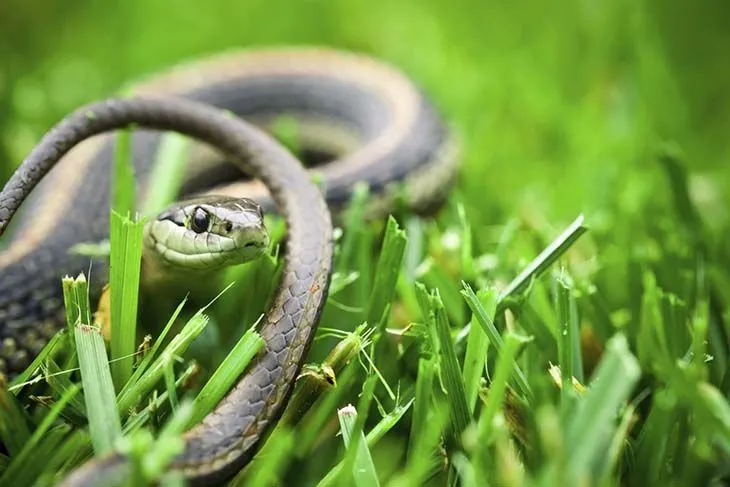
The geography doesn't help either. You're sandwiched between Mumbai and the hills, which means you get pests migrating from both directions. Creek areas like Kopri, Mumbra, and Rabodi deal with moisture issues year-round. Areas near Upvan Lake or Talao Pali see increased mosquito activity. And neighborhoods close to Yeoor see occasional snakes and larger pests during monsoon.
What You're Actually Dealing With
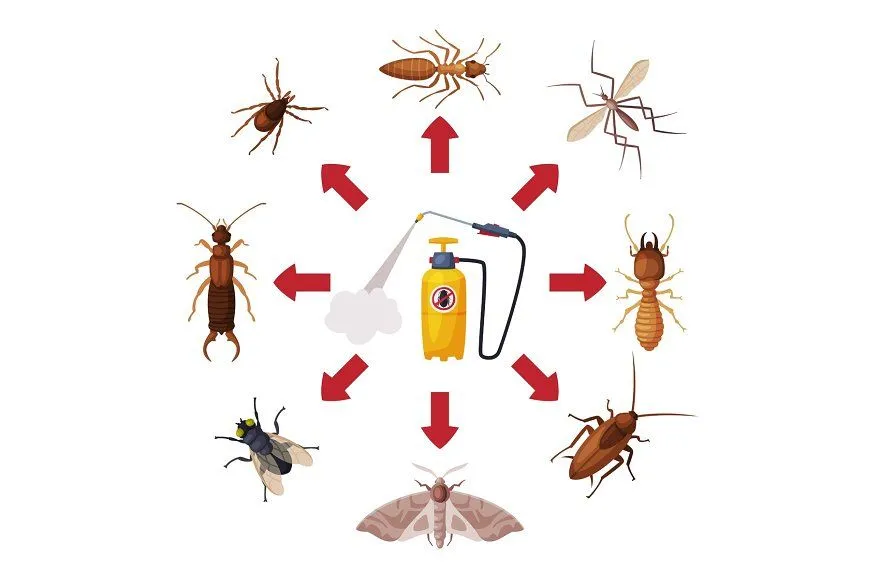
Let's break down the usual suspects you'll encounter in Thane homes and businesses:
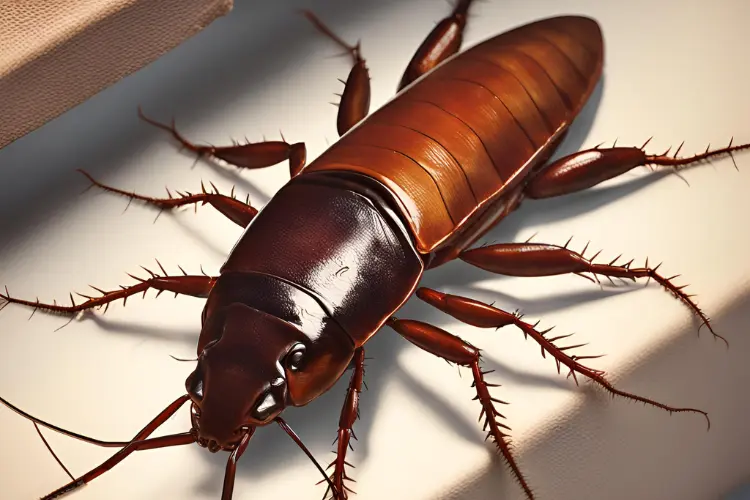
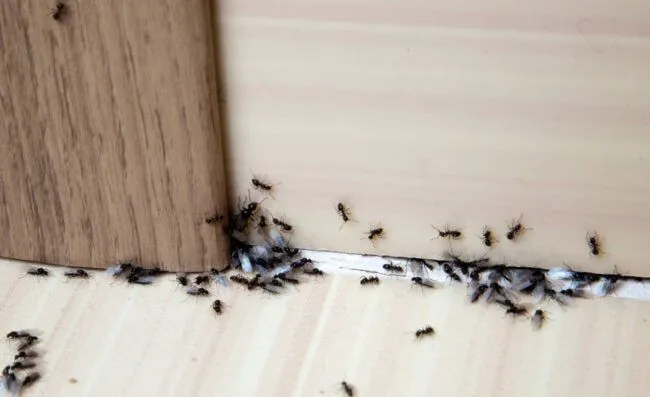
Cockroaches run this city. German cockroaches love kitchens and bathrooms. American cockroaches take over drains and basements. They're not just gross, they carry diseases like salmonella and E. coli. You'll find them everywhere from Hiranandani Estate apartments to old Naupada buildings. They breed incredibly fast. One pregnant female can create an infestation of thousands within months.
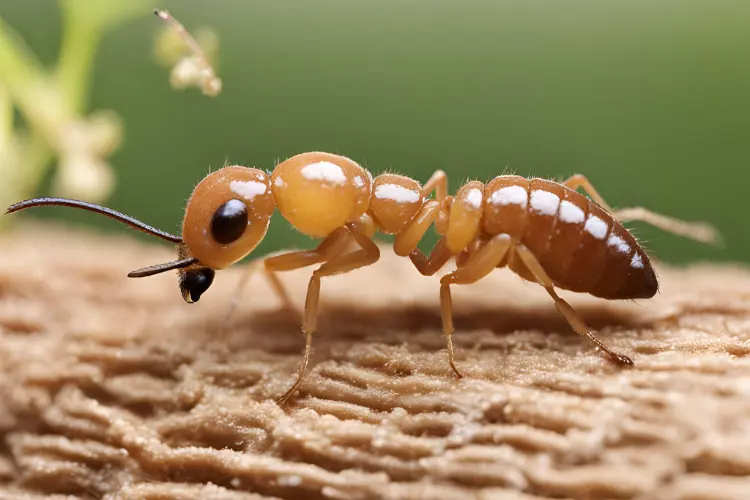
Termites are eating Thane's buildings. Wood structure homes in areas like Wagle Estate, Majiwada, and Manpada face constant termite attacks. But even concrete buildings aren't safe because termites go after wooden doors, window frames, furniture, and false ceilings. The monsoon humidity gives them perfect conditions to multiply. By the time you notice mud tubes on your walls, they've already done significant damage.
Rodents are getting bolder. Rats in Thane aren't shy. They invade homes through drainage pipes, AC ducts, and even climbing up buildings. Areas near the creek like Kopri and Mumbra report higher rodent activity. These things chew through electrical wires (causing fire hazards), contaminate food, and spread diseases like leptospirosis. One pair of rats can produce hundreds of offspring in a year.
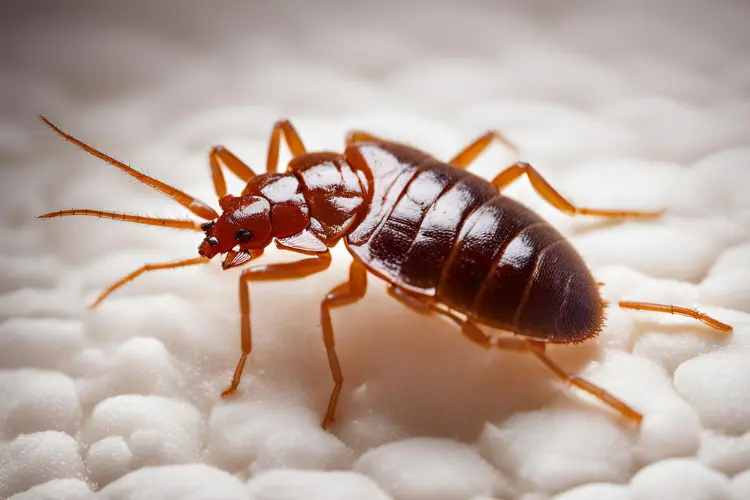
Bed bugs have become common. You find them in houses, hostels, hotels across Thane. They hide in mattress seams, bed frames, furniture cracks, and wall gaps. They feed on blood at night and leave you with itchy bites. The worst part: they're incredibly hard to eliminate without professional treatment because they're so good at hiding.
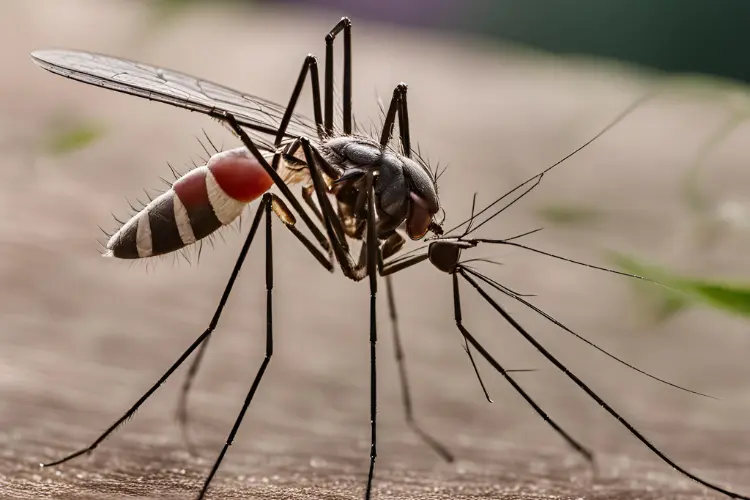
Mosquitoes peak during monsoon. Aedes mosquitoes carry dengue, Culex carry malaria, and they breed in any standing water. Your building's water tank, garden pots, unused containers, even discarded tires become breeding grounds. Areas with poor drainage see mosquito explosions after every heavy rain.
Why DIY Pest Control Usually Fails
Most people in Thane try handling pests themselves first. I get it. You see a few cockroaches, you spray some Baygon, problem solved. Except the problem isn't solved.
Store-bought sprays only kill the pests you can see. They don't touch the nests, eggs, or larvae hidden inside walls, under floors, or in drainage systems. You might kill 20 cockroaches, but 200 more are breeding where you can't reach them. Within weeks, you're back where you started.
Chalk and coils for mosquitoes? They provide temporary relief in one room while mosquitoes breed happily in your water tank or neighbor's garden. Rat traps might catch one or two rats, but the rest of the colony learns to avoid them.
What this really means is you end up spending money repeatedly on products that don't solve the root problem. Plus, some over-the-counter chemicals are actually harmful to kids and pets when used incorrectly. You're better off calling professionals who know where to look and what to use.
How Professional Herbal Pest Control Actually Works
Let me walk you through what happens when you book professional herbal pest control in Thane:
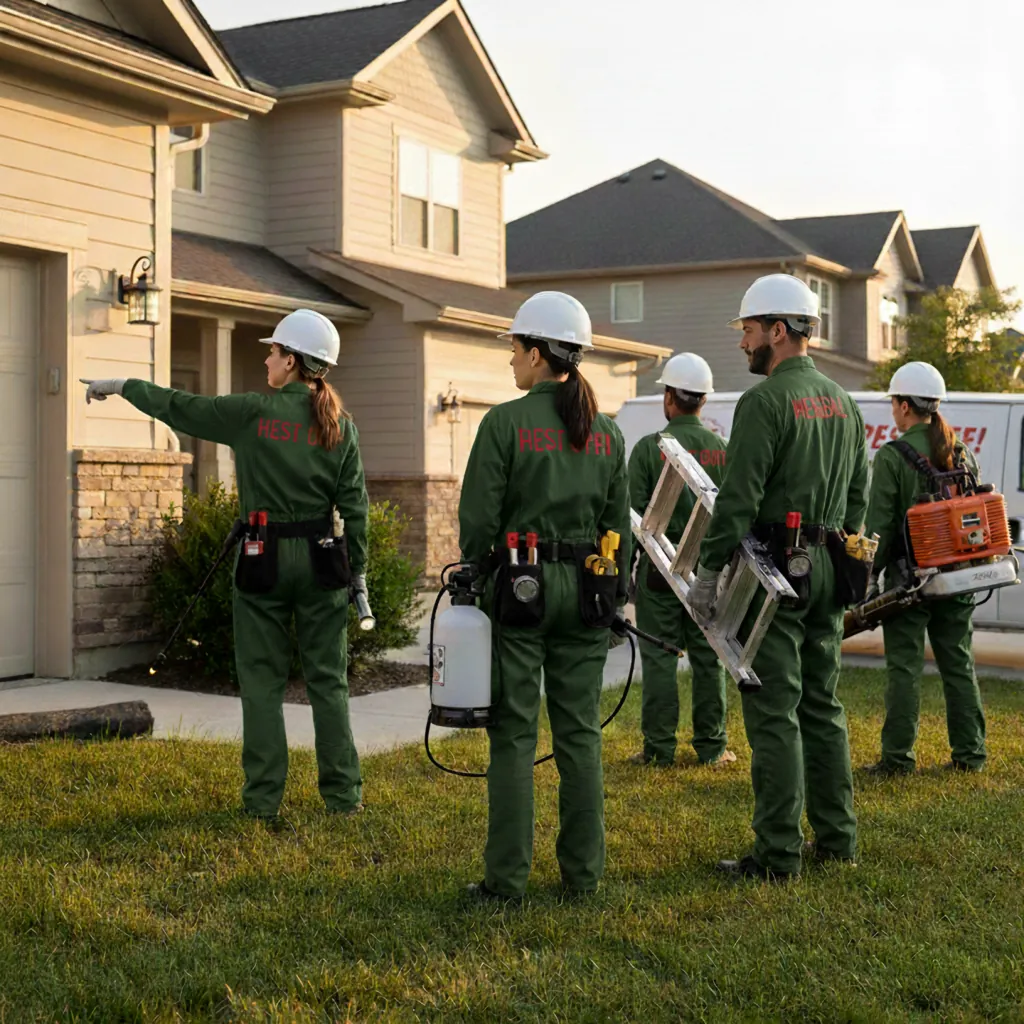
First, inspection. A trained technician comes to your property and does a complete assessment. They're looking for active infestations, entry points, breeding sites, conducive conditions, and the extent of damage. This takes 30 to 45 minutes for an average home. For commercial properties, it takes longer.
They check obvious places like kitchens and bathrooms, but also hidden areas: behind appliances, inside electrical panels, under sinks, drainage lines, false ceiling spaces, furniture undersides, and outdoor areas. They'll also ask about your pest history and any specific concerns.
Second, customized treatment plan. Based on what they find, they create a plan specific to your property. A 1BHK in Ghodbunder Road needs different treatment than a 3BHK villa in Hiranandani Estate or a restaurant in Teen Hath Naka. The plan includes which herbal formulations to use, how many treatments you need, and what timeline to expect.
Third, the actual treatment. Herbal pest control uses plant-based compounds that are effective against pests but safe for humans and pets. These include neem extracts, pyrethrum (from chrysanthemum flowers), essential oils, and other botanical formulations. They work by disrupting pest nervous systems, repelling them, or preventing reproduction.
For cockroaches: gel baits in cracks and crevices, spray treatment in kitchens and bathrooms, and treatment of drainage areas. For termites: drilling and injection into affected wood, soil treatment around the building perimeter, and barrier creation. For rodents: bait stations in strategic locations, sealing entry points, and burrow treatment. For bed bugs: mattress treatment, furniture spray, crack and crevice treatment, and heat treatment when needed.
Fourth, follow-up visits. Most pest problems need multiple visits to completely eliminate the issue. The first treatment kills active pests. Follow-up visits target eggs that hatch later and any remaining survivors. Good companies include 2-3 follow-up visits in their service package.
Fifth, prevention advice. They'll tell you what changes to make: sealing cracks, fixing leaks, managing garbage better, keeping food stored properly, and maintaining cleanliness. Prevention is half the battle.
What to Expect From Service
Be realistic about results. Professional pest control works, but it's not magic. Here's what actually happens:
You'll see an immediate reduction in pest activity within 24-48 hours. Cockroaches and ants die off quickly. Mosquitoes drop significantly if breeding sites are treated. But complete elimination takes time because some pests (like bed bugs or termites) require sustained treatment.
Most treatments are odorless or have a mild herbal smell that disappears within hours. You can return to treated areas within 2-3 hours once everything dries. If you have small kids or pets, mention it during booking so they can plan accordingly.
Good companies provide a service guarantee, typically 30-90 days depending on the pest type. This means if pests return during the guarantee period, they'll re-treat at no extra cost. Make sure you understand the terms before signing up.
What Pest Control Actually Costs in Thane
Prices vary based on property size, pest type, and infestation severity. But here's a general breakdown:
General pest control (cockroaches, ants, mosquitoes) for a 1BHK starts around ₹1,500-₹2,500. A 2BHK runs ₹2,500-₹4,000. A 3BHK costs ₹4,000-₹6,000. Bungalows and villas start at ₹8,000 and go up based on square footage.
Specialized treatments cost more. Termite control ranges from ₹4,000 for small areas to ₹15,000+ for complete home treatment depending on the extent of infestation. Bed bug treatment costs ₹3,000-₹8,000 depending on how many rooms are affected. Rodent control with multiple bait stations and sealing work costs ₹3,000-₹10,000.
Commercial properties have different pricing, usually calculated per square foot or based on the specific business type. Restaurants, hotels, and food businesses need monthly contracts that range from ₹5,000 to ₹30,000 depending on size.
Annual maintenance contracts (AMC) are cheaper in the long run. You get quarterly or bi-monthly services throughout the year at a discounted rate. A typical 2BHK AMC costs ₹10,000-₹15,000 for the year.
How to Choose a Pest Control Company in Thane
Thane has hundreds of pest control operators, from solo technicians to large companies. Here's how to pick one that won't waste your money:
Check their experience in Thane specifically. Someone who's been treating properties in Thane for years understands local pest patterns, building types, and seasonal issues. Ask how long they've been operating in the area.
Verify certifications and licenses. Legitimate operators have TMC (Thane Municipal Corporation) approvals and technician training certificates. Don't be shy about asking to see these documents.
Ask about the products they use. If they claim to use herbal treatments, ask for specifics. What plant compounds? Are they certified organic? Do they have safety data sheets? Avoid companies that can't answer these questions.
Read actual customer reviews. Check Google reviews, JustDial, Sulekha, or local Facebook groups. Look for patterns in feedback, not just the overall rating. Are they responsive? Do they show up on time? Do they handle complaints professionally?
Get written quotations. A professional company provides a detailed quote listing the exact services, number of visits, guarantee period, and total cost. Avoid verbal promises that disappear later.
Ask about the guarantee. What's covered? For how long? What are the conditions? If pests return, do they charge for the re-treatment?
Test their customer service. Call them with questions. Are they patient? Do they explain things clearly? Do they try to upsell aggressively or give honest advice? Good service before booking usually means good service after.
Monsoon Pest Control Strategy for Thane
Monsoon in Thane (June to September) is when pest problems explode. Heavy rains create the perfect breeding environment. Here's your monsoon playbook:
Pre-monsoon treatment is critical. Schedule pest control in May before the rains hit. This creates a protective barrier and kills existing pests before they start breeding like crazy. It's much easier to prevent an infestation than control one once it's established.
Focus on water management. Check your overhead water tanks, keep them covered and sealed. Empty any containers that collect rainwater - flower pots, buckets, old tires, anything. Even bottle caps with water become mosquito breeding sites. Clean your building's drainage system before monsoon starts.
Seal entry points. Heavy rains drive pests indoors seeking shelter. Check window screens, door gaps, AC pipe openings, drainage openings, and any cracks in walls. Use mesh screens and sealants to close these entry routes.
Extra vigilance in basements and ground floors. These areas face maximum moisture exposure. Check for leaks, keep them well-ventilated, and avoid storing cardboard boxes or newspapers (termite heaven). Consider a mid-monsoon booster treatment if you see pest activity increasing.
Coordinate with your society. If you're in an apartment complex, pest control works best when the entire building participates. Talk to your society committee about scheduling treatments for common areas, basements, gardens, and garbage rooms simultaneously.
Daily Prevention That Actually Matters
Professional treatment handles the heavy lifting, but daily habits determine whether pests come back. Here's what makes a real difference:
Clean your kitchen thoroughly every night. Don't leave dishes in the sink. Wipe down counters. Sweep floors to remove food crumbs. Take garbage out daily and keep bins covered. These simple steps eliminate 80% of what attracts cockroaches and ants.
Fix water leaks immediately. That dripping tap or leaking pipe under the sink provides pests with water they need to survive. No water, no long-term survival.
Store all food in sealed containers, even things like bread, biscuits, and flour. Pests can chew through plastic bags easily. Invest in good airtight containers.
Declutter regularly. Stacks of newspapers, cardboard boxes, old clothes, and unused items create perfect hiding spots for pests. The less clutter you have, the fewer places pests can hide and breed.
Maintain your building exterior. Trim vegetation touching your walls. Clear dead leaves and debris. Keep your yard clean. Outdoor maintenance prevents pests from establishing themselves near your home.
Regular professional maintenance works. Annual or bi-annual treatments keep pest populations at manageable levels. Think of it like servicing your car - regular maintenance prevents major breakdowns.
Special Situations in Thane Properties
Societies and apartment complexes: Get the entire building treated together. Individual flat treatments have limited effectiveness when pests can freely move through common pipes, ducts, and walls. Pool resources through your society and negotiate better rates for bulk service.
Ground floor and basement flats: You need more frequent treatments because you get pests from both inside the building and outside. Consider quarterly treatments instead of yearly. Pay special attention to the drain from your bathroom and kitchen.
Near creek or lake areas: Properties near water bodies (Yeoor Hills, Upvan Lake, Masunda Lake) face higher mosquito pressure. Invest in regular mosquito fogging and larvicide treatment in addition to general pest control.
Food businesses in Thane: Restaurants, bakeries, sweet shops, and hotels need monthly pest control minimum. It's not just about cleanliness, it's a legal requirement under FSSAI regulations. One pest sighting can destroy your reputation and lead to license cancellation.
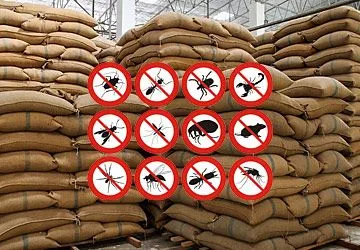
Warehouses and godowns: Pest control here is about protecting inventory. Rodents and termites can cause massive financial damage. You need comprehensive treatment including fumigation, bait stations, monitoring systems, and regular inspections.
Timeline for Results
People always ask how long until the pest problem is completely gone. The honest answer depends on several factors.
Cockroaches and ants: You'll see 80-90% reduction within 48 hours. Complete elimination takes 2-3 weeks with follow-up treatments. Some eggs survive the initial treatment and hatch later, which is why follow-ups matter.
Termites: Initial treatment creates a protective barrier, but monitoring continues for months. Termite colonies are massive and well-hidden. Professional treatment works, but you need patience. Expect quarterly inspections for at least a year.
Bed bugs: These are stubborn. First treatment kills most adults, but eggs survive. You need 2-3 treatments spaced 10-15 days apart. Complete elimination takes 4-6 weeks if you follow all the protocols.
Rodents: Bait stations work within days to weeks depending on colony size. But sealing entry points is equally important. If you don't close their access routes, new rats will move in even after you eliminate the current ones.
Mosquitoes: Immediate knockdown from fogging, but breeding site treatment is what keeps them away long-term. You'll notice dramatic reduction within 24 hours, but sustained control requires weekly or fortnightly treatments during peak season.
The Bottom Line
Pest control in Thane isn't a one-time thing you do and forget about. It's an ongoing part of property maintenance, especially given Thane's geography, climate, and urban density. Pests are always looking for food, water, and shelter. Your job is making sure they don't find it in your property.
Professional herbal pest control gives you effective results without harsh chemicals. It's safe for your family, pets, and the environment while still being tough on pests. The key is choosing the right service provider and maintaining good daily habits.
Don't wait until you have a full-blown infestation. By the time you're seeing pests regularly, the problem is already significant. Early intervention saves money, protects your property, and keeps your family healthy.
If you're dealing with pests in Thane right now, get a professional inspection. Most companies offer free or low-cost assessments. You'll know exactly what you're dealing with and what it'll take to fix it. That's better than guessing and wasting money on solutions that don't work.