







Pest Control in Powai
Why Powai Residents Face Serious Pest Challenges
Powai has transformed into one of Mumbai's most sought-after addresses, but success comes with challenges. The neighborhood sits in a unique position surrounded by Vihar Lake, which creates high humidity levels year-round. You've got modern high-rises mixed with older residential areas, thriving commercial establishments, and restaurants on nearly every street. It's the perfect storm for pests. When you combine lakeside moisture with dense construction and abundant food sources, you get an environment where pests don't just visit, they move in permanently.
Here's the thing: Powai's prosperity brings problems. More buildings mean more entry points. More restaurants mean more food waste. More foot traffic means more hitchhikers carrying pests. The lake proximity guarantees moisture issues in ground floors and basements. Weather patterns that favor monsoons from June through September turn Powai into a breeding ground paradise for mosquitoes, termites, and cockroaches. Property owners often assume their modern buildings are immune to pests. That's where they go wrong.
The reality is that Powai's infrastructure, while excellent, doesn't prevent pest infestations. Central AC systems, drainage networks, and underground parking create highways for rodents and insects to travel through. One infested apartment building can quietly spread pests to neighbors through shared walls, pipes, and air ducts. By the time residents realize there's a problem, it's already established and thriving.
The Specific Pests You'll Encounter in Powai
Let's talk about what's actually living in Powai apartments, offices, and homes.
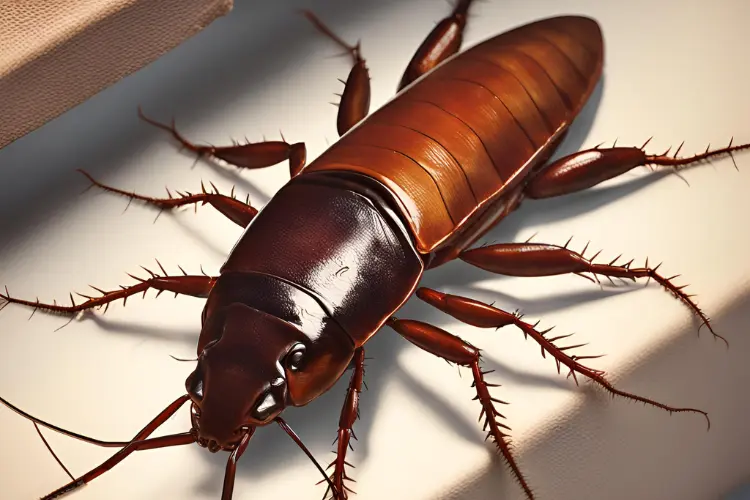
Cockroaches thrive in Powai's humidity. The proximity to Vihar Lake means constant moisture. German cockroaches love kitchens and bathrooms where water and food coexist. American cockroaches take over drainage systems. Both types spread bacteria like salmonella. You'll find them hiding behind appliances, in cabinet crevices, and under sinks. They're nocturnal, so you see them at night or when you unexpectedly turn on lights. One female cockroach produces thousands of offspring annually. Waiting to call a professional means exponential growth.
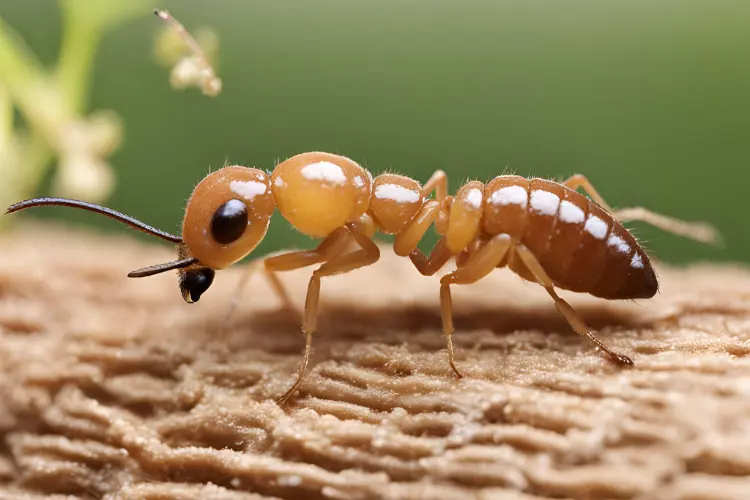
Termites quietly damage property value. Wood-frame structures in older Powai buildings are vulnerable, but even modern concrete buildings have wooden elements: false ceilings, door frames, window sills, built-in wardrobes, and furniture. Termites work silently. You might not see them until damage is extensive. The moisture from the lake accelerates termite reproduction. By the time you notice mud tubes on walls or soft spots in wood, they've been eating for months. Termite damage isn't covered by insurance, making prevention critical.
Rodents use Powai's infrastructure as superhighways. Underground parking, drainage systems, and building gaps provide rat highways between buildings. Rodents chew through electrical wiring (fire hazard), contaminate food, and spread leptospirosis. One pair produces hundreds of offspring yearly. They're bold in established colonies, showing themselves openly. By the time you see one rodent, dozens more are hiding in walls and ceilings.
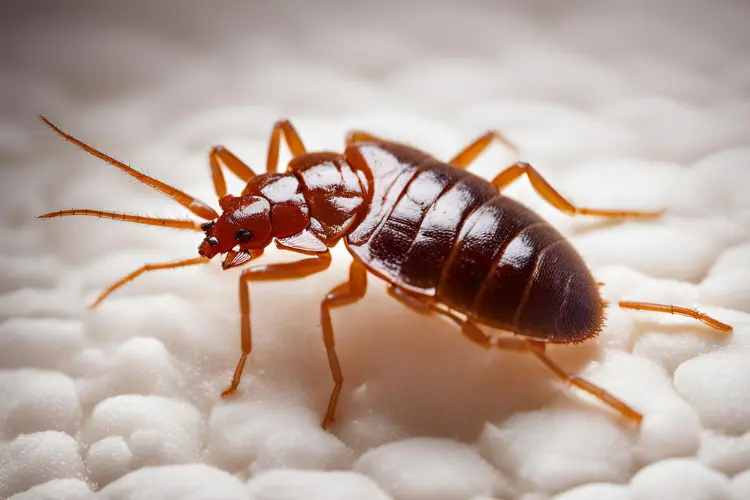
Bed bugs have become common in Powai apartments. They travel through luggage, secondhand furniture, and visitor backpacks. They hide in mattress seams, bed frames, furniture cracks, and wall gaps. Bed bugs feed on blood at night, causing itchy welts. They reproduce quickly and are incredibly difficult to eliminate without professional treatment. One infestation spreads to neighboring apartments through wall gaps and shared infrastructure.
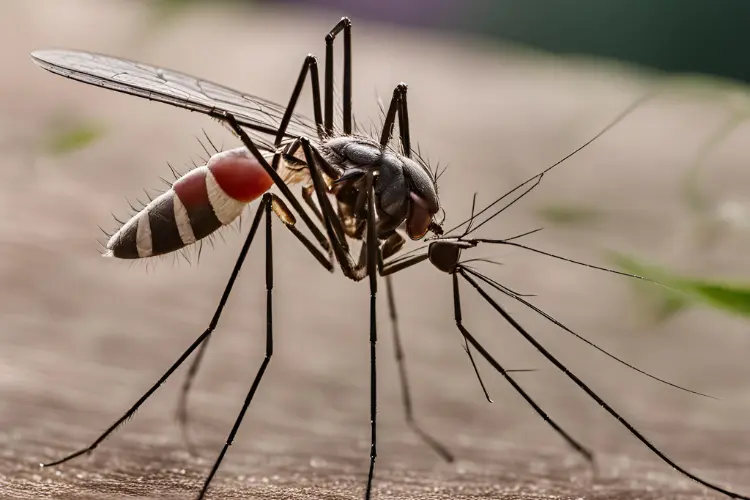
Mosquitoes peak during monsoon because of Vihar Lake. Aedes mosquitoes carry dengue, Culex carry malaria and filaria. Stagnant water anywhere—flower pots, drainage ditches, water tank overflows, unused containers—becomes a breeding site. Powai's lake proximity guarantees higher mosquito populations than inland Mumbai areas. Monsoon season (June-September) turns every building into a mosquito factory if proper precautions aren't taken.
Why DIY Approaches Fail in Powai
Most Powai residents try handling pests themselves before calling professionals. It feels logical. You see a few cockroaches, spray Baygon, problem solved. Except that's not how it works.
Store-bought sprays kill visible pests but miss the nests hidden inside walls, under false ceilings, in drainage pipes, and in furniture. You might kill 20 cockroaches, but 200 more are breeding where you can't reach. The lag between treatment and egg hatching means the problem resurfaces within weeks. You keep buying sprays and getting temporary relief, but the infestation never ends.
What this really means is you spend money repeatedly on products that address symptoms, not causes. You're also risking family safety. Over-the-counter chemicals aren't formulated for home use in small spaces. Improper application harms kids and pets. Professional treatment uses targeted approaches that are actually safe when done correctly.
Powai's building density makes DIY even less effective. Pests move between units. Treating one apartment without treating neighbors is pointless. Cockroaches escape to adjacent flats. Rodents find alternate routes through shared infrastructure. What works is coordinated building-wide treatment, something professionals can organize and execute properly.
How Professional Herbal Pest Control Solves Powai's Problems
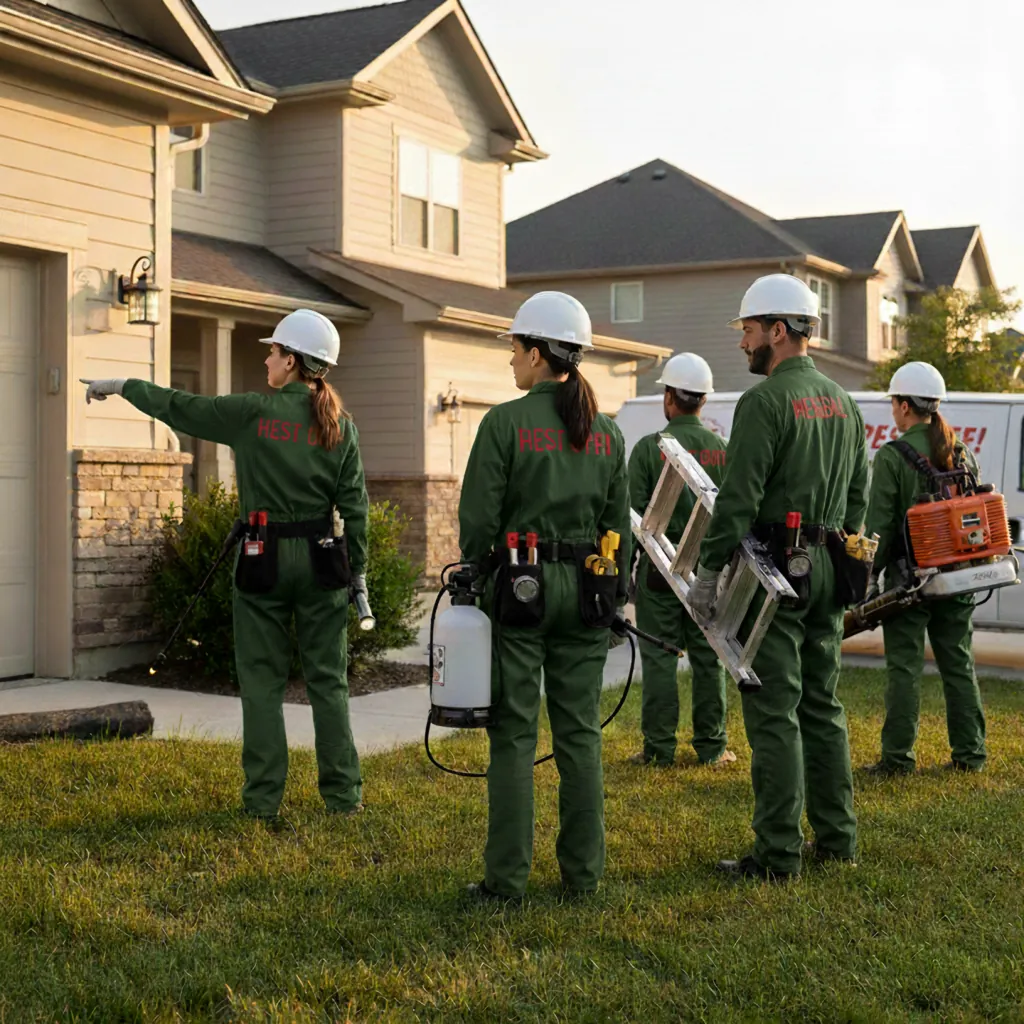
Professional pest control starts with understanding your specific situation. Here's exactly what happens when you book a service:
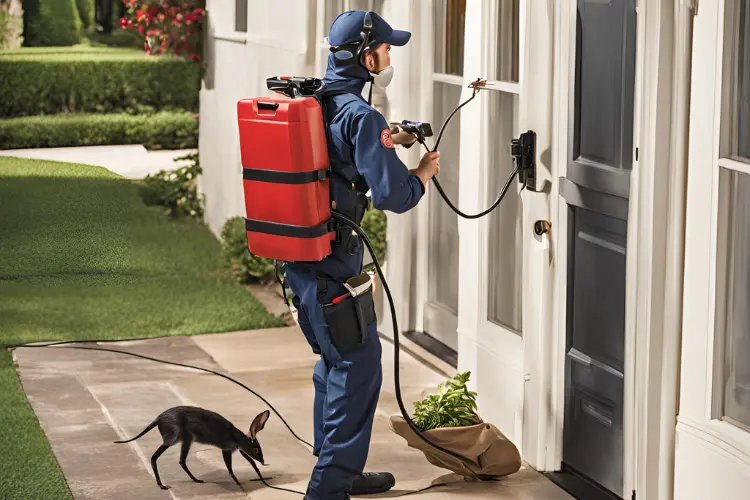
Step 1: Thorough inspection. A trained technician visits and does a complete assessment. They check obvious spaces and hidden areas. For Powai apartments, this means checking behind kitchen appliances, inside bathroom cabinets, under sinks, false ceiling gaps, drainage openings, electrical panels, window frames, and balcony crevices. They identify active infestations, entry points, and conditions that favor pests. The inspection takes 30-45 minutes and reveals the full extent of your problem.
Step 2: Customized treatment plan. Based on findings, they create a plan specific to your property. A Powai 2BHK apartment needs different treatment than a villa or office space. The plan includes which herbal compounds to use, number of visits needed, timeline, and cost. Good companies provide written quotations with all details before starting work.
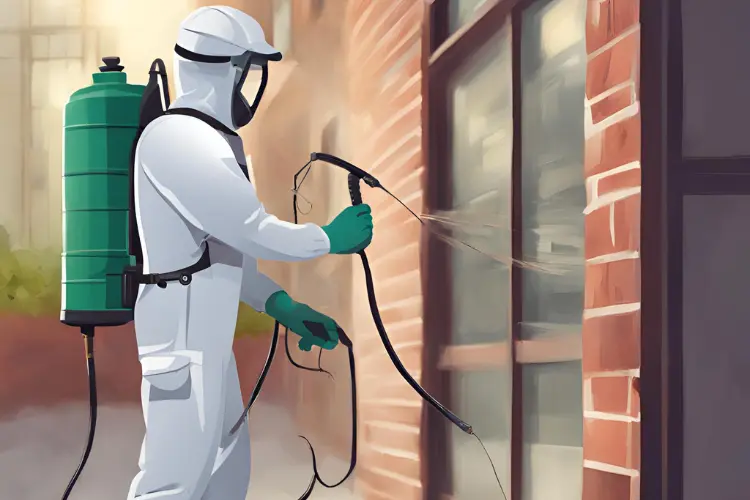
Step 3: Safe herbal treatment. Herbal pest control uses plant-based compounds like neem extract, pyrethrum, essential oils, and other botanical formulations. These disrupt pest nervous systems, prevent reproduction, and repel insects. They're effective against pests but safe for humans and pets once dry. No toxic residues remain. Results appear within 24-48 hours.
Step 4: Follow-up visits for complete elimination. First treatment kills active pests. Follow-ups target eggs and survivors. Most problems need 2-3 visits spaced 10-15 days apart. Termites require quarterly monitoring. This sustained approach ensures complete elimination, not temporary relief.
Step 5: Prevention guidance. They provide specific recommendations for your situation: sealing cracks, fixing leaks, managing water properly, storing food securely, and maintaining cleanliness. Prevention is half the solution.
Powai Pest Control Costs: What to Expect
Pricing varies based on apartment size, pest type, and infestation severity. For Powai specifically:
A 1BHK general pest control costs ₹1,500-₹2,500. A 2BHK runs ₹2,500-₹4,000. A 3BHK costs ₹4,000-₹6,000. Specialized treatments cost more. Termite control ranges from ₹4,000 for small areas to ₹15,000+ depending on severity. Bed bug treatment runs ₹3,000-₹8,000. Rodent control with bait stations and sealing costs ₹3,000-₹10,000. Commercial spaces (offices, restaurants, shops) have different pricing, usually calculated per square foot or as monthly contracts.
Annual maintenance contracts (AMC) offer the best value. A typical Powai 2BHK AMC costs ₹10,000-₹15,000 for quarterly treatments. It's cheaper than paying for individual treatments and ensures consistent protection. Good companies offer guarantees: if pests return during the guarantee period, they re-treat at no extra cost.
Choosing the Right Pest Control Company for Powai
Powai has access to many pest control services, but quality varies dramatically. Here's how to identify reliable operators:
Experience in Powai specifically matters. Someone treating properties in Powai for years understands local building types, pest patterns, and seasonal issues. Ask how long they've operated in the area and what types of properties they've treated.
Check certifications and credentials. Legitimate operators have municipal approvals and technician training certificates. Don't hesitate to ask for proof. Avoid companies that can't provide documentation.
Understand their products. If they claim herbal treatment, ask specifics. What plant compounds? Are they certified? Do they have safety documentation? Vague answers are red flags.
Read actual reviews. Check Google, JustDial, and local Facebook groups. Look for patterns in feedback. Are they responsive? Do they show up on time? Do they handle complaints professionally?
Get written quotations. Professional companies provide detailed quotes listing services, visit numbers, timeline, guarantee period, and cost. Verbal promises disappear later.
Test their customer service. Call with questions. Are they patient? Do they explain clearly? Do they try to upsell aggressively or give honest advice? Good pre-service support usually means good post-service support.
Monsoon Strategy for Powai Pest Prevention
Vihar Lake proximity means Powai's monsoon (June-September) brings intense pest pressure. Here's your survival strategy:
Pre-monsoon treatment in May is critical. Schedule pest control before the rains hit. This creates protective barriers and eliminates existing pests before breeding season. Prevention is easier and cheaper than control once infestation explodes.
Water management is key. The lake and monsoon rain create water accumulation. Check your overhead tank, keep it covered and sealed. Empty containers that collect water—flower pots, buckets, old tires, anything. Even small amounts become mosquito breeding sites. Clear drainage systems before monsoon begins.
Seal building entry points. Heavy rains drive pests indoors. Check window screens, door gaps, AC pipe openings, drainage openings, and wall cracks. Use mesh screens and sealants to close these routes. Pay special attention to ground floor apartments, which face maximum moisture and pest pressure.
Coordinate with your society. If you're in a Powai apartment building, pest control works best when the entire complex participates. Talk to your society committee about simultaneous treatments for common areas, basements, and gardens. Pest control by individual flats fails because pests escape to other units.
Consider mid-monsoon booster treatment. If you notice increasing pest activity during monsoon, schedule an additional treatment. Early intervention prevents full-blown infestations.
Daily Prevention That Actually Works
Professional treatment handles the heavy lifting, but what you do daily determines whether pests return.
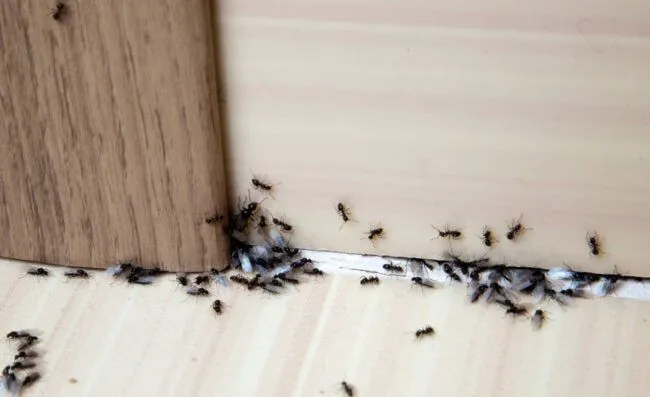
Clean your kitchen thoroughly every night. Don't leave dishes in the sink. Wipe counters. Sweep floors to remove food particles. Take garbage out daily and keep bins covered. These simple steps eliminate most of what attracts cockroaches and ants.
Fix water leaks immediately. That dripping tap or leaking pipe provides water pests need to survive. In Powai's humidity, even minor leaks encourage pests.
Store all food in sealed containers. Pests chew through plastic bags easily. Invest in airtight containers for bread, biscuits, flour, cereals, and other items.
Declutter regularly. Stacks of newspapers, cardboard boxes, old clothes, and unused items create hiding spots. Fewer hiding places means fewer pests.
Maintain your balcony and building perimeter. Trim vegetation touching walls. Clear dead leaves and debris. Proper building maintenance prevents pests from establishing themselves near your home.
Special Considerations for Powai Buildings
Apartment societies and complexes need coordinated treatment. Individual flat treatments fail when pests move between units. Pool resources through your society and negotiate better rates for building-wide service. Ensure the management committee treats basements, gardens, water tanks, and garbage areas simultaneously with individual flats.
Ground floor and lower-level flats face higher pest pressure. The moisture from Vihar Lake affects these units most. You need more frequent treatments (quarterly minimum). Pay special attention to bathroom and kitchen drains, which connect to building-wide drainage systems.
Lake-adjacent buildings need extra mosquito control. The proximity to Vihar Lake guarantees higher mosquito populations. Invest in regular fogging and larvicide treatment for water areas, in addition to general pest control.
Commercial properties and restaurants need FSSAI-compliant service. Monthly pest control is mandatory for food businesses. Documentation and reports protect your license and reputation. One pest sighting can destroy your business.
Timeline for Results in Powai
People always ask how long pest control takes to work. The honest answer varies by pest type.
Cockroaches and ants: 80-90% reduction within 48 hours. Complete elimination takes 2-3 weeks with follow-ups. Eggs survive initial treatment and hatch later, which is why follow-ups matter.
Termites: Initial treatment creates protective barriers, but monitoring continues for months. Termite colonies are huge and well-hidden. Expect quarterly inspections for at least a year.
Bed bugs: First treatment kills adults, but eggs survive. You need 2-3 sessions spaced 10-15 days apart. Complete elimination takes 4-6 weeks if you follow all protocols.
Rodents: Bait stations work within days to weeks. But sealing entry points is equally important. Without closing access routes, new rats move in even after eliminating current ones.
Mosquitoes: Immediate knockdown from fogging, but breeding site treatment provides sustained control. You'll notice dramatic reduction within 24 hours. Sustained protection requires weekly or fortnightly treatments during monsoon season.
The Real Cost of Ignoring Pest Problems
Some Powai residents delay pest control to save money. They calculate the wrong cost. An untreated infestation leads to extensive property damage (termites), health issues (diseases from pests), and eventually much more expensive treatment. A small problem that costs ₹2,000 to fix now becomes ₹10,000+ when allowed to grow.
Professional pest control is an investment in property value, family health, and peace of mind. Combined with daily prevention habits, it keeps your Powai apartment pest-free. That means no surprises, no health risks, and no expensive damage repairs down the line.
If you're dealing with pests in Powai right now, get a professional inspection. Most companies offer free or low-cost assessments. You'll know exactly what you're dealing with and what elimination costs. That's infinitely better than guessing and wasting money on solutions that don't work.